In the ever-evolving world of MMA, fighters and coaches alike are constantly adapting to new rules, training methodologies, and recovery strategies. One topic that continues to generate questions is how state athletic commissions handle cannabis positives during fight licensing and post-fight drug testing. This issue isn't merely academic — it directly impacts fight license risk, training volume management, and how fighters approach recovery in camps.
Drawing from my 12 years around fight camps, cornering smokers and managing the delicate balance between training and recovery, I’ll unpack how commissions vary in their rules about cannabis testing, why understanding your THC testing state matters, and, crucially, how this intersects with managing training loads, sleep, and fatigue through the camp.
Why Does Cannabis Testing Still Matter in MMA?
Despite shifting social attitudes, cannabis remains a controlled substance in many athletic jurisdictions, and state athletic commissions' positions on cannabis positives vary significantly. For fighters, a positive test can pose serious risks to their fight license, causing suspensions or fines that can derail a career.
Understanding the landscape means recognizing that:
- Commission rules vary: Some states have fully decriminalized or removed cannabis from their banned substances lists, while others still impose sanctions for any THC presence above a threshold. THC testing states: These commissions carry out specific testing for THC metabolites, and this can vary not only by state but sometimes by the promotion and venue. Fight license risk: Fighters must weigh the benefits of cannabis, often used for pain management or anxiety, against the risk of a positive test.
Examples of State Athletic Commissions’ Cannabis Policies
State Cannabis Testing Sanction for Positives Notes Nevada Yes, THC metabolites tested Sanctions still apply depending on concentration One of the strictest states with regard to cannabis California Limited testing / guidance varies Often no sanctions unless impairment suspected Progressive approach; tests vary by commission representative Florida Yes, comprehensive THC testing Strict sanctions possible Run by FWC, closely monitored Texas No routine cannabis testing Sanctions rare Testing focused on other banned substancesBefore entering any camp or bout, verifying the exact rules of your particular commission and jurisdiction is critical. Treat it like your whiteboard sparring schedule — clear, visible, and planned well in advance.
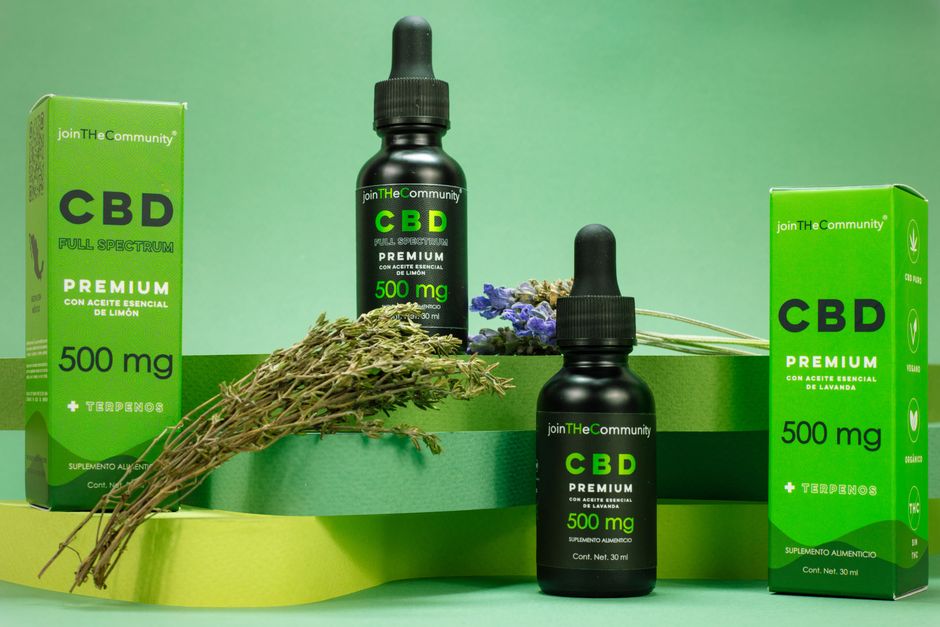
MMA Training Volume vs. Recovery Capacity: How Cannabis Fit In
When structuring fight camps, one of the first things I do is whip out my whiteboard and map sparring days, conditioning sessions, technical drills, and scheduled deloads. Experience has shown me that camps collapse far more frequently from sleep debt and under-recovery than from poor strength programming.
For fighters who use cannabis, often the goal is to help with pain management or mental relaxation. However, without careful management, cannabis use can complicate recovery windows, especially if the timing conflicts with sleep architecture or motor learning phases.
Sleep as Adaptation and Motor Learning
High-quality sleep post-training isn't just about feeling rested — it's fundamental to adaptation and motor skill consolidation. Deep sleep stages allow neural plasticity to lock in the new techniques hammered out during training. Disturbed or shortened sleep windows, common in fight camps around week four fatigue spikes, can seriously derail progress.
Based on batch-specific lab reports (think COA-style documentation you’d review for supplements or cannabis batches), the specific THC and cannabinoid profile can influence whether cannabis helps or hinders sleep quality. Not all cannabis products are created equal, and the website ones high in THC without balancing cannabinoids may cause restless or fragmented sleep.
Week Four Fatigue and Sleep Debt
Most fight camps I’ve been around follow this pattern: Week one you’re fresh with high energy; by Week four, fatigue accumulates. This point on the whiteboard often features the highest volume of controlled sparring and drilling — and right after, you hit an edge where sleep quality can take a hit. The body’s stress systems are revving, and sleep efficiency drops.
Sleep debt builds silently. It’s not just the amount of sleep but the quality of that sleep and the timing of recovery practices, including any adjunct therapies like cannabis. Masks of tiredness or catching “something” after sparring are often signposts telling you the camp schedule needs adjustment.
Where Does Deloading Fit In?
I emphasize deload placement as a pillar of camp success. A well-placed deload—often just before the week four fatigue crash—rests the CNS, improves sleep quality, and ensures that when you hit the intense final weeks, you’re not battling a compounded sleep debt.

Many camps fail to adjust after how to balance training load week four fatigue emerges, pushing volume or intensity upwards without consideration of sleep and recovery. Adding cannabis without synchronized sleep prioritization or deload planning risks masking symptoms rather than addressing the underlying deficit.
Planning Your Camp Around Commission Rules and Recovery
Here’s the hard truth: no magic capsule fixes sleep deprivation or overtraining. That includes cannabis. The difference is thoughtful planning and knowing what happens at 10:30 pm after sparring. Does your recovery routine help you fall asleep? Does your cannabis batch come with a lab report that confirms its cannabinoid profile and absence of banned substances? Do you know if your commission will sanction you for a THC positive?
Fight camps should incorporate the following checklist on their whiteboard before the first week:
Confirm your commission’s cannabis policies: Look up official documentation, not hearsay. Map sparring and intensity days: Identify high-stress days and schedule deloads accordingly. Plan recovery protocols: Prioritize sleep; if using cannabis, track batch-specific COAs to ensure consistency. Monitor fatigue and sleep debt: Use self-reports and objective tools if available. Adjust sessions instead of adding them without sleep changes: More volume without more sleep equals diminished returns.Example Week Structure Incorporating Deload
Week Focus Volume Deload / Recovery Notes Week 1 Technical focus, conditioning buildup Moderate Normal recovery, sleep prioritized Set baseline for fatigue tracking Week 2-3 Increased sparring / volume High Active recovery days included Monitor sleep quality closely Week 4 Deload week before crash Reduced ~40% Sleep maximized, no unnecessary stimuli Prevent fatigue accumulation, reset CNS Week 5-6 Peak volume and intensity High, but sustainable Recovery protocols strictly adhered to Maintain sleep to preserve gainsFailing to respect the setup of these phases often results in poor adaptation, compromised fight readiness, and increased risk of exhausting your fight license — literally, with cannabis tests.
Final Thoughts
Yes, state athletic commissions are still sanctioning cannabis positives in many jurisdictions, and the landscape can be confusing. When you add cannabis use into your camp, always consider the commission rules in your fight state. Use batch-specific lab reports to ensure product consistency and legality. Above all, never let fight license risk blindside your camp planning.
Remember, no amount of cannabis will fix a sleep-deprived, overtrained fighter. Use the whiteboard to plan sparring and deloads carefully, prioritize sleep after training, and keep stress in check. When you do that, you minimize fatigue crashes, respect your body’s capacity to adapt, and reduce the gamble of unnecessary sanctions.
If you’re running a fight camp, start by asking yourself: what happens at 10:30 pm after sparring? Because that’s when your camp either wins or loses.