As a licensed pest control weep holes pest entry operator with over a decade of experience serving homes along Florida’s northeast coast, I’ve encountered many homeowners baffled by asthma and allergy symptoms linked to cockroach exposure — even when no live bugs are visible. It’s a frustrating and concerning issue because cockroach allergen isn’t just about spotting creepy critters scuttling across the floor. In fact, the proteins these pests leave behind in dust can trigger asthma attacks, especially in sensitive individuals.
Today, I’m diving into the science of cockroach allergen in dust, explaining the difference between the notorious American cockroach (often miscalled “palmetto bugs”) versus the German cockroach, and sharing practical advice you can use right now to reduce hidden allergen loads — all while navigating Florida’s relentless humidity and outdoor pest pressure.
Understanding Cockroach Allergen Proteins: Bla g and Per a
When we talk about cockroach allergen in dust, we’re referring primarily to specific proteins found in cockroach saliva, droppings, shed skins, and decomposing bodies. The two main allergens captured by researchers:
- Bla g — the allergen protein associated with the German cockroach ( Blattella germanica) Per a — the allergen protein from the American cockroach ( Periplaneta americana)
These proteins are tiny and lightweight, meaning they become airborne easily and can linger in your home’s dust and indoor environment long after the insects are gone. The problem? People with asthma or sensitivities can inhale these allergens, which inflame airways and worsen symptoms.
Why You Don’t Need To See Roaches To Be Exposed
Even if you never spot a single roach in your kitchen, bathroom, or bedroom, allergen dust contamination can be significant if:
- There is a hidden roach infestation in wall voids, crawl spaces, or behind appliances Nocturnal roaches have been active during the night, leaving allergen proteins scattered in dust Old, dried droppings and shed skins remain unattended for months or years
This is especially common in Florida’s humid climate, where cockroaches thrive year-round and outdoor pests continuously pressure homes through cracks and gaps. I always remind customers to never rely on just your eyes when assessing a possible problem — these critters are masters of hiding.

American Cockroach vs German Cockroach: What You Need To Know
Feature American Cockroach ( Periplaneta americana) German Cockroach ( Blattella germanica) Common Name “Palmetto bug” (misnomer) German cockroach Size Large, 1.5–2 inches Small, 0.5–0.75 inches Appearance Reddish-brown with yellowish figure-8 pattern on thorax Light brown with two dark stripes behind the head Habitat Outdoor areas, sewers, sometimes indoors in damp areas like basements Indoor-only species, prefers kitchens and bathrooms Allergen Protein Per a allergen protein Bla g allergen proteinMany people mistakenly call all large roaches “palmetto bugs.” While the American cockroach is indeed common in Florida, the German cockroach is the bug that typically causes the most persistent indoor infestations and intense allergen buildup. Their smaller size and ability to hide in tiny cracks make them especially problematic for triggering asthma.
How Can Hidden Roach Infestations Impact Your Indoor Air?
Roaches are nocturnal and favorite hiding spots include wall voids, behind kitchen cabinets, under appliances (especially refrigerators—don’t forget to pull ’em out before spraying anything), and inside cracks and crevices. These hidden infestations lead to persistent allergen dust being released regularly, with little chance of removal unless actively controlled.
Over time, allergen dust settles on every surface. If you only dry dust or vacuum with a standard vacuum, the allergen proteins get stirred up into the air, worsening asthma symptoms. This is why I always emphasize two critical steps in effective allergen control:
- Use a vacuum equipped with a HEPA filter to trap tiny allergen particles instead of just blowing them around. Prefer wet-wiping surfaces instead of dry dusting to capture and remove allergen dust more thoroughly.
HEPA Filter Vacuuming vs Standard Vacuuming
Typical vacuums lack fine filtering and can actually disperse cockroach allergen proteins through the exhaust. HEPA (High Efficiency Particulate Air) filters trap at least 99.97% of particles down to 0.3 microns in size — perfect to capture tiny allergen proteins hiding in dust. Regular HEPA vacuuming in kitchens, bedrooms, living areas, and especially hard-to-reach spots can significantly reduce indoor cockroach allergen loads.
Wet-Wiping Rather Than Dry-Dusting
Dry dusting lifts allergen particles into the air, making your breathing worse if you’re sensitive. Wet-wiping with a damp microfiber cloth grabs dust and allergens without sending them airborne. This method is especially important for horizontal surfaces like baseboards, window sills, countertops, and under/behind appliances.
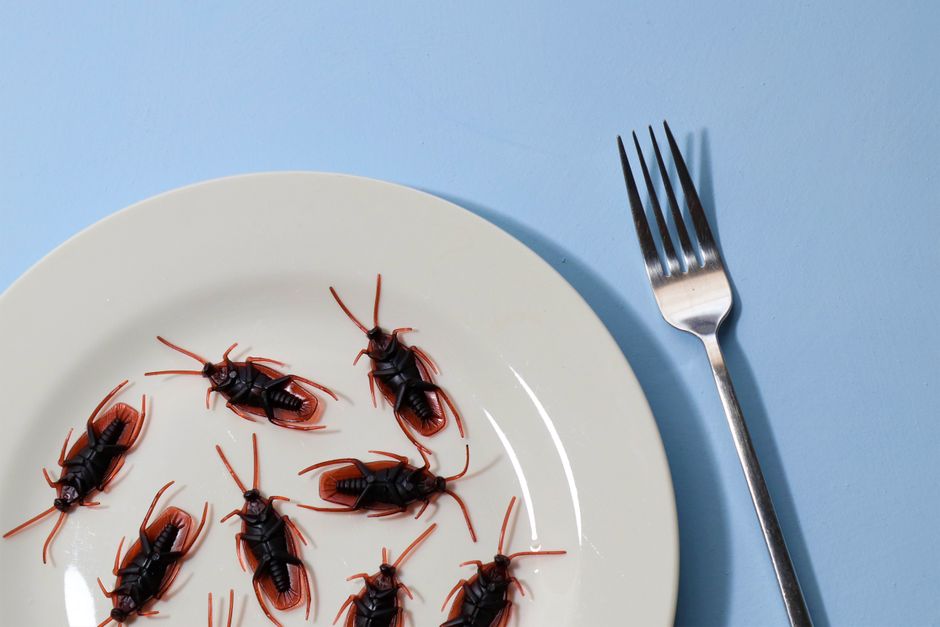
Pro tip: Don’t forget to pull the fridge out periodically. That welcome space can trap years of allergen dust and droppings that dry dusting or vacuuming misses entirely.
Florida’s Year-Round Humidity and Pest Pressure
Unlike many parts of the country, cockroaches don’t just appear seasonally in Florida — they thrive here during every season thanks to the warm, humid environment and abundant outdoor populations. This generates ongoing pressure as pests enter homes seeking food, water, and shelter.
This means prompt identification and remediation of infestations is essential. Even if treatment is successful, cockroach allergen proteins can persist long after live insects are gone. Comprehensive cleaning and allergen control remain crucial parts of asthma management.
Summary: What You Can Do Today to Reduce Cockroach Allergen and Asthma Triggers
Inspect and identify potential hidden infestations: Check wall voids, behind appliances, and undersides of cabinets. Use HEPA filter vacuuming regularly: Vacuum all floors and cracks to trap allergen proteins efficiently. Switch to wet-wiping for surfaces: Avoid dry dusting which spreads allergens into the air. Pull out your fridge before spraying or treating: Get behind and underneath to clean trapped dust and droppings. Seal entry points: Caulk cracks and gaps to reduce new roach access. Maintain proper sanitation: Remove food and water sources to discourage roaches, but don’t fall for vague “clean more” advice — target the pests and their hiding spots specifically. Avoid bug bombs (foggers): These rarely help with cockroach allergen and often spread allergens further indoors. Get professional help when necessary: Persistent infestations benefit from expert pest control tailored to Florida’s unique environment.Final Thoughts
As a pest professional who hates fogger “bug bombs” with a passion and strongly dislikes calling every roach a “palmetto bug,” I urge homeowners to understand cockroach allergen and its impact on asthma as more than just a visible pest problem. Hidden infestation and persistent allergen dust warrant thorough evaluation and cleaning using tools like HEPA filter vacuums and wet-wiping methods.
If you’re struggling with unexplained asthma symptoms, don’t wait for live roaches to appear before considering a hidden infestation inside your walls or behind appliances. Taking early, informed action can improve indoor air quality and help breathe easier.
Remember my parting advice: pull out the fridge before buying another spray.