Last month, I was working with a client who learned this lesson the hard way.. Cannabidiol (CBD) has surged in popularity, touted for its potential benefits across a range of health conditions. One area that's both exciting and complex involves CBD's relationship with antiseizure medications. This topic deserves careful attention because the interaction between CBD and seizure drugs isn't just theoretical—it’s clinically significant and can affect treatment outcomes and safety.
In this article, we'll unpack CBD basics compared to THC, explore FDA-approved CBD uses for seizure disorders versus over-the-counter (OTC) products, and explain why legal definitions, product quality, and laboratory testing like certificates of analysis (COAs) matter. We’ll also dive into the crucial theme of liver enzyme monitoring with antiseizure meds interaction, giving you clear, practical knowledge.
CBD Basics vs. THC and Intoxication
Let’s start with the essentials. CBD and tetrahydrocannabinol (THC) are both cannabinoids found in the cannabis plant, but they behave dramatically differently in the body.
- THC: The primary psychoactive compound in cannabis, THC causes intoxication or the “high” feeling. It binds directly to brain cannabinoid receptors affecting mood, perception, and coordination. CBD: Non-intoxicating, meaning it doesn't cause a high or intoxication. CBD interacts with the body's endocannabinoid system more indirectly, influencing many physiological processes without the “buzz.”
This difference is foundational because CBD products marketed for health typically emphasize that they are “THC-free” or contain <0.3% THC—the legal limit defined by the 2018 Farm Bill. While this threshold is low enough to avoid intoxication, the phrase “THC-free” can be misleading if there’s no batch-specific laboratory verification behind it.</p>
FDA-Approved CBD for Seizure Disorders vs. OTC Use
The U.S. Food and Drug Administration (FDA) has officially approved a purified form of CBD under the brand name Epidiolex for specific seizure disorders, such as Lennox-Gastaut syndrome and Dravet syndrome. This approval is a milestone because:
- Rigorous Clinical Trials: Epidiolex underwent extensive testing to demonstrate safety, dosing, and effectiveness in controlling seizures. Prescriber Oversight: Use is monitored by healthcare providers who also check for interactions, adjust antiseizure medication levels, and monitor liver enzymes. Consistent Quality: The formulation meets strict pharmaceutical manufacturing standards ensuring dosage accuracy and purity.
However, the vast majority of CBD products available OTC—as gummies, oils, or creams—do not have FDA approval for seizure treatment. Their efficacy and safety in this context haven’t been established, and the quality can vary dramatically between brands and even batches.
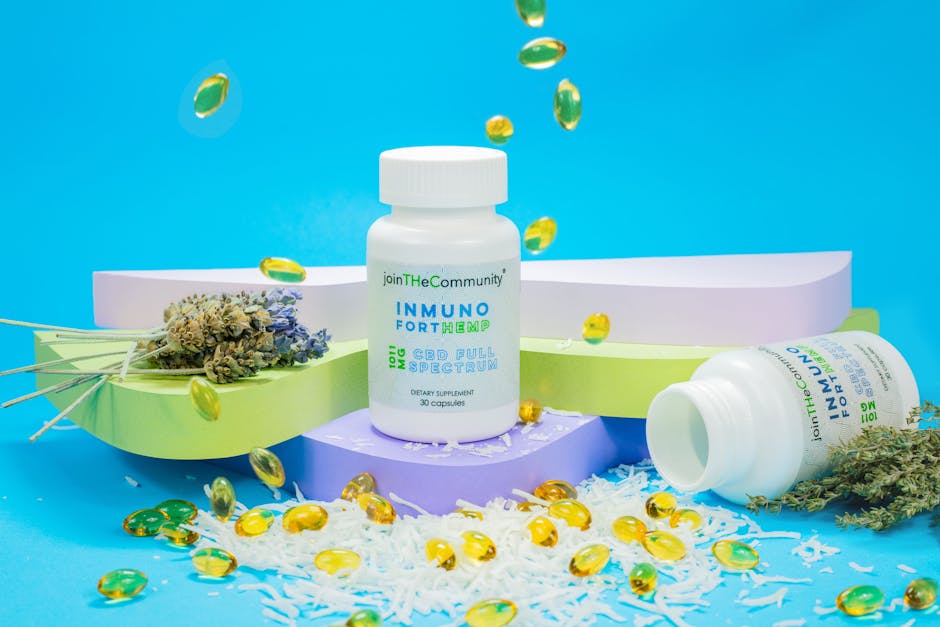
For example, Joy Organics is a company that emphasizes transparency by providing batch-specific COAs. These certificates verify cannabinoid content, absence of contaminants, and compliance with the <0.3% THC legal limit. Pretty simple.. Such testing is critical because incorrect dosing or unexpected contaminants in OTC CBD could complicate epilepsy treatment when used alongside antiseizure meds.</p>
The Legal Landscape: 2018 Farm Bill and <0.3% THC</h2> The 2018 Farm Bill federally legalized hemp-derived CBD—with the stipulation that products contain less than 0.3% THC on a dry weight basis. This legalization opened the floodgates for millions of hemp CBD products across the USA.  It’s important to recognize: “Less than 0.3% THC” is a maximum concentration: It does not mean zero THC. Even tiny amounts might interact with medications or show up in drug testing. Labeling Discrepancies Are Common: Many products make vague claims like “THC-free,” but without a recent, batch-specific COA to back it up, such claims are unreliable. State Laws Still Matter: Some states have stricter rules or different limits, affecting availability and quality control. The key takeaway: legal status doesn’t guarantee safety or efficacy, especially for those on antiseizure medications. Why Quality Variation and COAs Matter in CBD Products
Not all CBD products are created equal. Variations in extraction processes, plant sources, and handling can lead to big differences in potency and purity. Without independent testing verified through a batch-specific certificate of analysis (COA), consumers are essentially guessing what they’re ingesting.
COA Details to Look For
- Cannabinoid Profile: Confirms the actual CBD content per serving and total THC percentage. Contaminant Testing: Screens for heavy metals, pesticides, microbial contamination, and residual solvents. Batch Identification: Links the tested sample directly to the product you buy, ensuring consistency and traceability.
If a company like Joy Organics provides accessible, transparent COAs for every batch, that’s a good sign they are committed to safe, high-quality products. Avoid any CBD items that don’t have recent, batch-specific lab reports.
Antiseizure Meds Interaction and Liver Enzyme Monitoring
Now to the crux: how does CBD interact with antiseizure medications, and why is this a “bigger deal” than casual yourhealthmagazine.net CBD use?
Want to know something interesting? many antiseizure drugs are metabolized by liver enzymes, especially cytochrome p450 isoenzymes (like cyp3a4 and cyp2c19). CBD can inhibit these enzymes, potentially altering how quickly medications are broken down.
Possible Consequences:
- Increased Blood Levels: When metabolism slows, seizure medication levels can rise, increasing side effects or toxicity risk. Decreased Effectiveness: Alternatively, changes in enzyme activity can decrease medication effectiveness.
Because of this interaction risk, the FDA-approved Epidiolex label includes warnings for liver enzyme monitoring. Regular blood tests are essential to:
- Check liver function to detect any signs of stress or damage early. Adjust antiseizure medication dosing as needed. Monitor for any unexpected side effects from altered medication levels.
The same vigilance should apply even if using OTC CBD alongside antiseizure meds, though this is often ignored by consumers. Self-medicating with unregulated CBD without physician oversight risks unintentional drug interactions and delayed care.. ...back to the point
Summary Table: Key Differences Between FDA-Approved CBD and OTC Products
Aspect FDA-Approved CBD (Epidiolex) Over-the-Counter CBD Products Use for Seizure Disorders Clinically approved & prescribed Not FDA-approved; unproven efficacy Quality Control Pharmaceutical-grade manufacturing Varies widely; quality depends on brand Laboratory Testing Strict batch testing & consistency Depends on provider; batch-specific COA essential Liver Monitoring Required as part of treatment Rarely done without doctor involvement Drug Interaction Risk Well-documented; managed clinically Potentially unknown; riskier without oversightFinal Thoughts
CBD has exciting potential, especially in seizure disorder management, but it’s crucial to recognize the nuances and risks. The FDA-approved CBD medication Epidiolex represents a carefully studied and controlled option, unlike OTC products that vary widely in quality and safety.
If you or a loved one is taking antiseizure meds and considering CBD supplementation, always choose reputable brands like Joy Organics that provide transparent, batch-specific COAs. Most importantly, talk to your healthcare provider first. Liver enzyme monitoring and medication adjustments might be necessary to avoid harmful interactions and to ensure optimal seizure control.
Ignoring these facts turns CBD from a promising aid into a bigger deal with potentially serious consequences. Responsible use and awareness are the keys to safely navigating the complex CBD and antiseizure medications landscape.