If you spend any time scrolling through social media, you’ve likely seen the wellness industry's evolution. It’s no longer just about the protein powder in your gym bag. We are now being sold "hormone-balancing" moon dust, "bioavailable" skincare, and "toxin-free" household cleaners that claim to optimize our biology from the inside out. As a health writer who has spent nine years tracking the industry, I have seen the market expand into every corner of the human experience. But with this expansion comes a dangerous dilution of quality.
When you walk into a clinic, a physician isn't wondering if your supplement is "vibrant" or "clean." They are looking for standardized dosages, batch testing results, and verified safety profiles. As consumers, we need to bring that same clinical skepticism to our shopping carts. Checking sourcing standards isn't just about reading the back of a box; it’s about investigating the supply chain and verifying the science.

The Problem with Modern Wellness Marketing
Before we dive into how to vet a product, we have to address the noise. The wellness industry excels at using scientific-sounding jargon to mask a lack of transparency. If you want to be a smart consumer, you need to develop a mental filter for "marketing-speak."
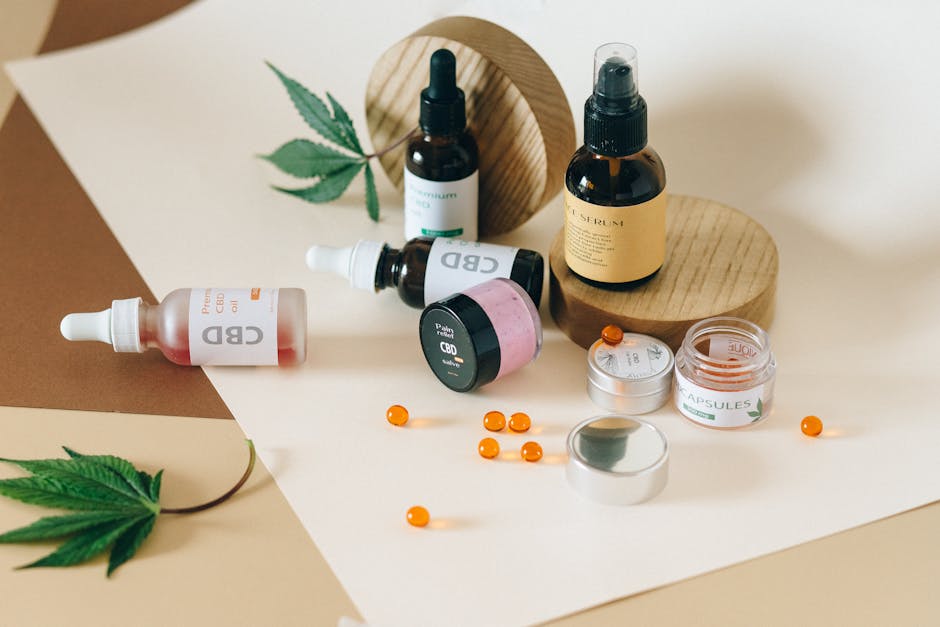
My "Avoid" List: Vague Marketing Phrases
If you see these terms on a website, pause. They are almost always placeholders for a lack of actual data:
- "Detoxifying": Your liver and kidneys handle this. If a product claims to "detox," ask them to list the specific toxin they are removing. They never will. "Clean Label": This is a marketing term, not a regulatory one. It has no standard legal definition. "Proprietary Blend": A legal loophole that allows companies to hide the exact dosage of individual ingredients. If they won't list the amounts, they are hiding something. "Bioavailable": While biologically true for some compounds, it’s often used as a buzzword to justify a higher price point without evidence of improved clinical outcomes. "Science-backed": Without a link to a peer-reviewed study, this is just a statement of faith, not a fact.
Ingredient Literacy: The First Line of Defense
Ingredient origin is the most difficult aspect of sourcing to verify, but it is the most important. A high-quality brand will tell you exactly where their raw materials come from. Are the botanicals sourced from a regulated region with established pesticide testing? Is the manufacturing facility GMP (Good Manufacturing Practice) certified?
When you look at a label, don't just look for the active ingredients. Look for the "Other Ingredients" section. If you see fillers, unnecessary artificial dyes, or proprietary blends, you are looking at a product designed for profit margins rather than patient outcomes.
Using Social Media and Communities as Investigatory Tools
I know what you’re thinking: "Isn't social media the problem?" You’re right—influencers are often paid to be "certain" about products they haven't vetted. However, if used correctly, social media and online communities can be high-powered investigative tools.
How to Use Digital Communities for Quality Assurance
Niche Subreddits: Look for communities like r/Supplements or r/SkincareAddiction. Search for the brand name. Are people talking about side effects? Did someone post a COA (Certificate of Analysis) they requested from the company? Brand Response Times: Tag a brand on social media and ask for their latest COA for a specific batch number. If they ignore you, block you, or send a PR-heavy response, that is your answer. Transparent companies have their lab results ready to go. Search for Recalls: Use the FDA’s database or search social media for "recall" or "adverse event" reports related to the brand.The Gold Standard: The Certificate of Analysis (COA)
If you take nothing else choosing the right wellness products away from this article, let it be this: Never trust a brand that refuses to share a Certificate of Analysis.
A COA is a document from an independent, third-party laboratory that confirms a product has been tested for purity, potency, and contaminants (like heavy metals, mold, or bacteria). This is exactly what a clinic or a pharmacy would demand before stocking a product. If a company tells you the COA is "proprietary" or "internal," they are failing the transparency test. A reputable company will provide a batch-specific COA upon request.
Practical Checklist: Evaluating Your Next Purchase
The next time you are considering a wellness product, put it through this "Clinic-Visit" test. If it fails more than one, put it back on the shelf.
Feature What to Look For Red Flag Labeling Clear, quantified ingredient amounts. "Proprietary blends" or "Complexes." Sourcing Named regions or farms for raw materials. Vague "globally sourced" labels. Testing Third-party batch testing (COAs available). "We test in-house" or no mention of testing. Claims Specific, moderate language. "Miracle," "Cure," or "Toxin-free." Regulations GMP certification clearly visible. No mention of manufacturing standards.The Demand for Transparency
The wellness market will continue to expand, and as long as the demand for "quick fix" solutions exists, the market will exploit it. But we have the power to change the landscape by voting with our wallets. When we stop buying products based on influencer hype and start demanding quality assurance through independent testing, the market has to adapt.
Before you hit 'Buy Now,' ask yourself: What would this look like in a clinic visit? If the doctor asked you what the exact dosage of the primary https://highstylife.com/how-do-i-check-sourcing-standards-for-a-wellness-product/ ingredient was, or what the heavy metal screening results were, would you have an answer? If the answer is no, it’s not time to buy. It’s time to find a better brand.
Final Thoughts: A Skeptical Mind is a Healthy Mind
Being a skeptical consumer isn't about being cynical; it’s about valuing your health enough to demand proof. The "wellness" label is not a shield against harm. Vitamins can be contaminated, supplements can be under-dosed, and topical products can contain hidden irritants. By leveraging online communities to find batch-testing data and holding brands accountable to high sourcing standards, you move from being a passive consumer to an active participant in your own wellbeing.
Next time you see a flashy ad on your feed, remember: the brand’s marketing budget is designed to make you feel good. Your job is to verify that the product actually *is* good. Demand the COA. Scrutinize the label. And if the information isn't there, walk away. Your body—and your bank account—will thank you.