If you have been following the wellness landscape as we enter 2026, you will have noticed a definitive shift. We are moving away from the "lifestyle accessory" view of cannabis and firmly into the era of patient-led, data-driven medical treatment. No longer is medical cannabis something spoken about in hushed tones; it is being treated as a controlled, prescription-based intervention for a variety of complex health conditions.
However, with this clinical maturity comes a great deal of confusion regarding how to actually take these medications. One of the most common questions I receive from patients is simple yet critical: How long does it take to feel the effects, and why is there such a difference between oils and edibles?
The Shift in Wellness Culture: Moving Beyond the "Lifestyle" Label
For too long, cannabis was marketed as a wellness "quick fix" for everyone from sleep-deprived city workers to gym-goers looking for recovery. This is a dangerous oversimplification. By 2026, the medical community has successfully pivoted the conversation toward evidence-based outcomes. We are no longer talking about "vibes"; we are talking about pharmacokinetics—the study of how a drug moves through the body, from administration to excretion.
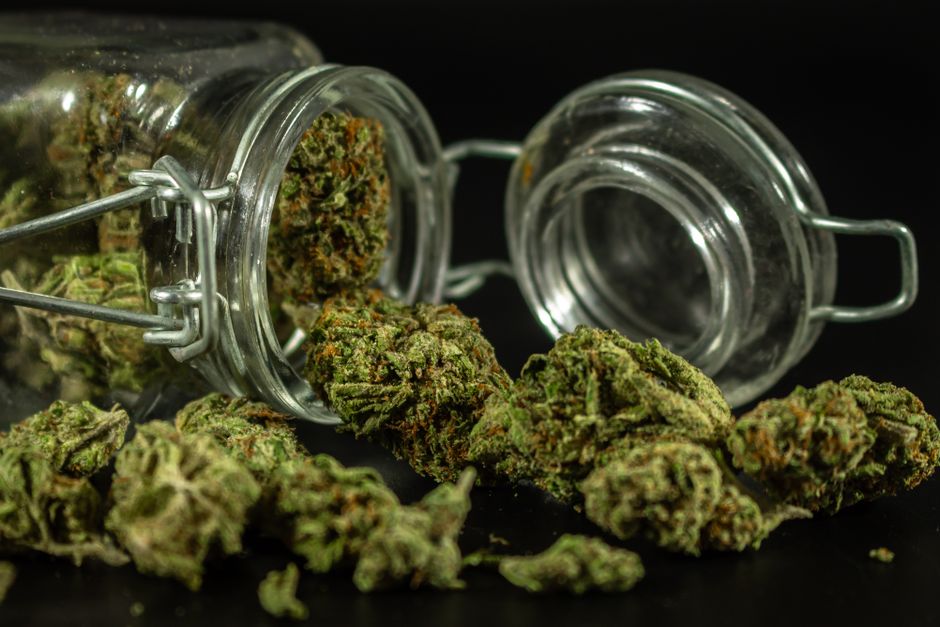
In the UK, the stigma surrounding medical cannabis has begun to dissolve, largely due to the work of clinics like Releaf. As the UK’s largest medical cannabis clinic, Releaf has been instrumental in normalizing the patient journey, emphasizing that this is a prescription medicine that requires strict clinical oversight, regular follow-ups, and precise dosage monitoring.
Understanding the Basics: Oils vs. Edibles
Before we look at the clock, we must define the delivery methods. When we talk about "oils," we are typically referring to tinctures administered sublingually—meaning you place drops under your tongue. When we talk about "edibles" or specifically THC gummies, we are referring to ingestible products that must pass through your digestive system. Understanding the difference is vital for your safety and symptom management.
If you https://highstylife.com/why-does-modern-wellness-focus-on-long-term-wellbeing-now/ are trying to understand the baseline differences between cannabinoids like CBD and THC, resources like Healthline provide excellent, medically-vetted explanations on the interaction between these compounds and the endocannabinoid system. Think of it like checking nutritional transparency; just as we use sites like starbucks-menus.com to forensically examine exactly what ingredients are in a drink to ensure we don't trigger an intolerance, we must be just as vigilant about the chemical composition of our medical cannabis prescriptions.

The Pharmacokinetics of Delivery
The reason timing varies so wildly is all down to "bioavailability"—the proportion of a drug that enters your circulation and is able to have an active effect. Here is how the two methods differ in their journey through your system:
Method Primary Absorption Site Estimated Onset Time Duration of Effect Sublingual Oils Mucous membranes (under the tongue) 15–45 minutes 3–6 hours Edibles/Gummies Gastrointestinal tract/Liver 60–120 minutes 6–10 hoursDebunking Myths: The "Things People Assume are True" List
My notes app is filled with misconceptions that patients bring into the consultation room. Here are three things people assume are true that, clinically speaking, are dangerous:
- "Edibles are safer because they are food-like." False. Because edibles go through the liver (a process called first-pass metabolism), they are converted into 11-hydroxy-THC, which is significantly more potent and can result in a much more intense experience than inhaled or sublingual forms. "If I don’t feel it in 20 minutes, I should take more." This is the most common error. With edibles, the "delayed onset" trap leads to over-consumption. You might feel nothing for an hour, take a second dose, and then be overwhelmed when both doses hit at once. "My friend takes this dose, so it’s right for me." Medical cannabis is highly individualized. Clinics monitor dosage based on your specific condition, weight, and tolerance, not your friend’s anecdotal success.
The Medical Cannabis Journey: Why Clinic Structure Matters
In the UK, you cannot simply buy medical cannabis over the counter. If you have a condition that hasn't responded to first-line treatments—such as chronic pain, anxiety, or specific neurological disorders—you engage with a clinic. This is where the "wellness accessory" narrative falls away.
The Releaf model, for instance, focuses on the "patient journey." This involves an initial consultation with a specialist doctor, the drafting of a clinical plan, and crucially, regular follow-ups to monitor effectiveness and side effects. This is not a "set it and forget it" medication. You are expected to log your symptoms, track your titration (the process of finding the lowest effective dose), and adjust your treatment based on clinical feedback.
Conditions Commonly Explored
Medical cannabis is not a panacea, but it is proving effective for specific, refractory conditions. These include:
Chronic Pain: Where opioids or other traditional analgesics have failed or caused debilitating side effects. Treatment-Resistant Anxiety: Often managed with specific, low-THC profiles to maintain functionality during the day. Neurological Conditions: Including spasticity and treatment-resistant epilepsy. Sleep Disorders: Specifically where insomnia is secondary to chronic pain or anxiety.Dosage Timing and You
If your clinician has prescribed an oil, you are likely looking for a faster, more controllable "on-demand" effect. Sublingual delivery bypasses the gut, allowing the cannabinoids to enter the bloodstream directly through the capillaries under your tongue. This is why oil is often preferred for sudden spikes in symptom severity.
Conversely, THC gummies or capsules are designed for "sustained release." Because the liver breaks them down slowly, the effects are longer-lasting. This is ideal for overnight relief or long-term chronic pain management, but it requires patience. If you are using a gummy, you must wait at least two hours before evaluating whether you need a dosage adjustment.
Final Thoughts: A Call for Medical Vigilance
As we navigate 2026, I want to encourage you to treat your medical cannabis with the same respect you would a high-stakes prescription medication. If you are experiencing difficulty with your dosing timing, do not look for answers on social media forums. Reach out to your clinic’s support team. They are the only ones with access to your specific clinical file and the expertise to adjust your treatment plan safely.
Medical cannabis is a powerful tool in the UK’s evolving healthcare landscape. By respecting the science, understanding the timing of your medication, and keeping your clinicians in the loop, you can ensure that you are using this treatment to improve your quality of life, rather than just chasing a temporary feeling. Stay https://smoothdecorator.com/medical-cannabis-for-anxiety-related-symptoms-in-the-uk-whats-actually-realistic/ informed, stay monitored, and treat your health with the precision it deserves.