For patients navigating the UK medical cannabis landscape, the journey from initial research to receiving medication is often framed by clinics as "seamless." As someone who has mapped clinical workflows for nearly a decade, I prefer to look at this not as a magical process, but as a series of specific digital touchpoints and regulatory checkpoints. When you transition from a patient researching cannabinoids to a patient under a formal clinical care plan, your experience is defined by software—not just a shopping cart.
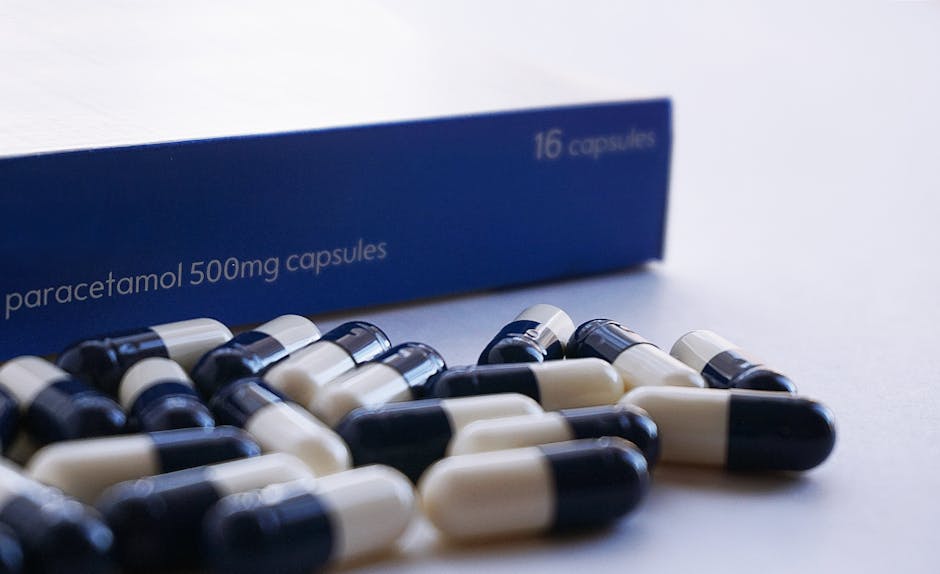
Understanding how tracked medication delivery works requires looking at the entire pipeline. It isn’t just about a courier dropping a box at your door; it is about the digital hand-off between the clinic’s patient portal, the pharmacy’s dispensing software, and the secure courier network.
Step 1: The Digital Gateway – Eligibility and Onboarding
The patient journey begins long before a courier is dispatched. Unlike standard pharmacy prescriptions that you might take to a local high-street shop, medical cannabis is a controlled drug, subject to the Misuse of Drugs Regulations 2001.
The first screen a patient encounters is the digital eligibility form. This is a critical filter. Clinics use these forms to map patient symptoms against the evidence-based criteria for cannabinoid therapies. As a former NHS digital project coordinator, I look for how these forms handle data; they should be integrated into a secure CRM that allows for a secure medical record upload.

Patients who spend time researching specific strains and cultivars often arrive at this stage with high expectations. However, the onboarding screen is where the clinic establishes the clinical boundary: you are applying for a clinical assessment, not purchasing a product. This digital intake process is designed to ensure that the patient’s clinical history—specifically evidence of prior treatments for their condition—is verified before a clinician ever sees the file.
Step 2: The Video Appointment as the Clinical Linchpin
Once your documents are uploaded and eligibility is screened, the next step is the video appointment. This is the only moment where a clinician reviews your record and makes a decision regarding a prescription.
From a workflow perspective, this is the "trigger point." If a prescription is issued, the clinician moves the patient’s status in the portal from "Pending" to "Prescribed." This status change is what initiates the pharmacy logistics. At this stage, you aren't waiting for a product; you are waiting for a clinical document—the electronic prescription—to be transmitted to the pharmacy.
Step 3: Prescription Logistics and the Pharmacy Workflow
In the UK, medical cannabis is dispensed by specialist pharmacies, often called "Specials" pharmacies. These entities are regulated by the General Pharmaceutical Council (GPhC). The workflow between the clinic portal and the pharmacy is designed to minimize risk.
The Prescription Fulfillment Table
Process Step Who is responsible? Action Prescription Issuance Consultant Clinician Signs electronic script in clinic portal. Data Transmission Digital Integration Script is moved to pharmacy management system. Dispensing Pharmacist Verification of medication against clinical guidelines. Packaging/Labeling Pharmacy Team Compliance with CD (Controlled Drugs) packaging regs. Dispatch/Tracking Pharmacy/Courier Generation of tracking number/notifications.Step 4: The Mechanics of Tracked Medication Delivery
Once the medication is prepared, the pharmacy interfaces with a specialized courier service (such as DPD or Royal Mail Special Delivery). The shift from a clinic portal to a courier interface is where many patients experience the most anxiety, as this is the "real-world" part of the process.
Here is how the tracked medication delivery actually functions:
- Digital Notification Sync: As soon as the pharmacy prints the shipping label, their internal system pushes an automated alert to your patient portal or your registered email address. This is the first of your delivery notifications. Chain of Custody: Because these are controlled substances, the courier requires a signature upon delivery. The "tracking" isn't just about location; it's a digital trail ensuring that the medication was handed to an adult at the delivery address. The Courier App UX: Most modern clinics integrate directly with courier APIs. This allows you to see the van’s progress on a map, providing an estimated one-hour delivery window. This is the industry standard for reducing missed deliveries. Discretion and Safety: The packaging is intentionally non-descript. From a logistics standpoint, the "tracking" metadata is stripped of any reference to the medical nature of the contents to protect patient privacy and safety.
Why "Speed" Isn't the Goal
I often hear patients ask if a clinic is "fast." In healthcare, "fast" is a dangerous metric. If a clinic claims to deliver medication in 24 hours, they are overpromising on a process that requires clinical review, internal pharmacy verification, https://highstylife.com/why-telehealth-makes-specialist-care-feel-more-accessible/ and the physical constraints of controlled drug dispatch.
Instead of focusing on "fast," look for transparency. A clinic that uses an integrated patient portal will show you every stage: Clinical Review Pending -> Prescription Issued -> Pharmacy Processing -> Dispatched -> Out for Delivery. This clarity is far more valuable than a marketing claim about how quickly a package arrives.
Regulatory Compliance: Keeping the Workflow Legal
It is important to treat these workflows with the seriousness they deserve. Medical cannabis delivery is not ecommerce. It operates under the strict oversight of the CQC (Care Quality Commission) and the GPhC.
If you are interacting with a clinic that does not ask for a secure medical record upload or ignores the legal requirements for tracking and signing for controlled drugs, you are likely operating outside of the authorized UK framework. Always ensure that your clinic is CQC-registered and that the pharmacy dispensing your medication is GPhC-approved. The tracked delivery notifications you receive are not just for your convenience; they are part of the regulatory requirement to account for every milligram of controlled medication from the pharmacy shelf to the patient.
Final Thoughts for the Education-First Patient
Patients researching cannabinoids are often the most informed users in the healthcare system. You understand the difference between strains and you care about the quality of the product. My advice is to apply that same critical lens to the digital tools https://bizzmarkblog.com/what-is-rso-and-why-do-patients-search-it-before-their-appointment/ the clinic provides.
When choosing a pathway for medical cannabis, look for the following signs of a mature digital workflow:
Portals, not threads: Does the clinic have a dedicated patient portal, or are you just emailing PDFs back and forth? A dedicated portal is the only way to ensure your data stays secure. Integrated Logistics: Does the clinic state clearly which pharmacy they use? Are their delivery notifications automated, or do they manually email you a tracking number? Direct Communication: Can you see the status of your prescription in real-time? You shouldn't have to call a clinic to ask if your meds have been dispatched.By understanding the steps and screens of this process, you move from being a passive recipient of healthcare to an empowered participant in your own treatment plan. The goal of these digital tools isn't to turn healthcare into a retail experience; it's to provide enough visibility into the process that you can trust the clinical journey from your first digital form to your final delivery notification.