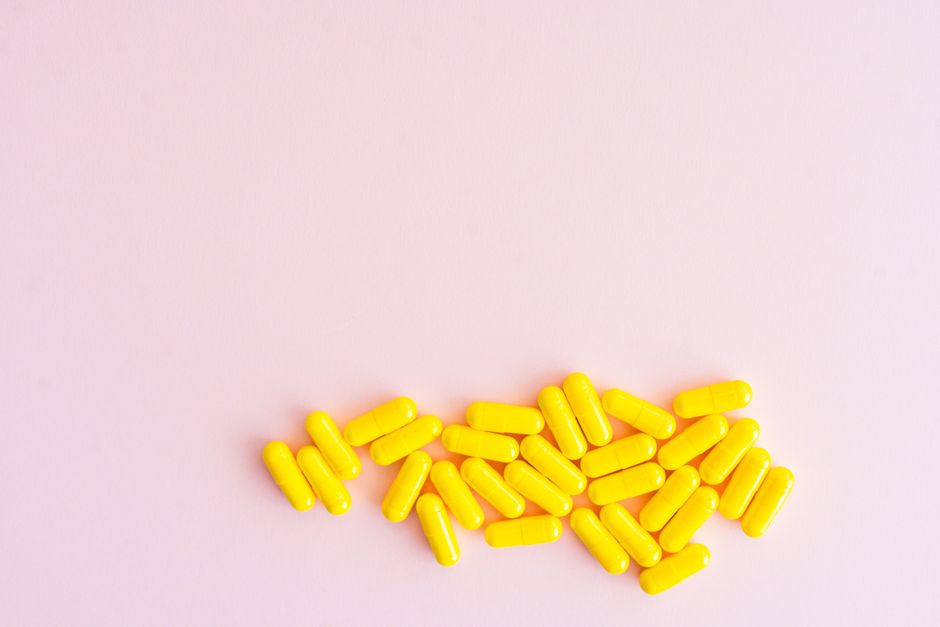
If your kitchen counter looks less like a culinary space and more like a pharmacy aisle, you are not alone. Many of us started our wellness journeys with one or two additions—perhaps a multivitamin or some Vitamin D—but over time, that stack grew. Before we knew it, we were tracking pills, powders, and gummies like it was a part-time job. This phenomenon, often called “pill fatigue,” isn’t just annoying; it’s a potential safety issue.
As a former community health educator, I’ve seen this “stack creep” happen countless times. My goal today is to help you streamline your routine, reduce your supplement stack, and prioritize essentials, all while keeping your safety as the top priority.
The Hidden Burden of the "Everything Stack"
When you take multiple products simultaneously, you aren’t just increasing the number of pills you swallow; you are increasing the complexity of what your body has to process. In the world of clinical health, we often look at Pharmacokinetics—that is, the study of how your body moves and processes substances. Think of it as the journey of a substance through your system: Absorption, Distribution, Metabolism, and Excretion (ADME).
When you combine supplements, you run the risk of an interaction. An interaction occurs when one product changes the way your body processes another, or when two products essentially do the same thing, leading to an unintentional “overdose” of a specific nutrient or compound.
Most importantly, we have to consider your prescription medications. Many people treat supplements as “natural” and therefore separate from their doctor-prescribed medicine. In reality, your liver and kidneys treat both as chemical compounds that need to be filtered and metabolized. If a supplement increases or decreases the rate at which your liver metabolizes a medication, you might end up with too much or too little of that medicine in your bloodstream. That is the core of interaction risk reduction.
How to Audit and Reduce Your Supplement Stack
Simplifying your routine isn't about throwing everything out; it’s about conducting an evidence-based audit. Here is a step-by-step approach to reclaiming your morning routine.
1. The "Why" Test
For every single item in your stack, ask yourself: What specific problem is this solving? If you cannot name the condition or the evidence-based goal (e.g., “my doctor confirmed I am deficient in Vitamin D”), it’s a candidate for removal.
2. The Timing and Dose Audit
Sometimes, we don’t need fewer supplements; we just need better timing. Certain vitamins are fat-soluble (like Vitamins A, D, E, and K), meaning they need a fat source to be absorbed properly. Others, like Vitamin C, are water-soluble and can be taken on an empty stomach. If you are taking them all at once, you might be flushing them right out of your system.
3. Watch for Overlap
Many “all-in-one” wellness products contain overlapping ingredients. You might be taking a “Hair, Skin, and Nails” complex, a separate Biotin supplement, and a multivitamin—all of which likely contain similar amounts of the same B-vitamins. Check the labels, add up the totals, and compare them against the Recommended Dietary Allowance (RDA) to ensure you aren't overdoing it.

The CBD Factor: A Cautionary Tale
Cannabidiol (CBD) has surged in popularity, but it is one of the most significant disruptors in a supplement stack. CBD is metabolized by the same liver enzymes (specifically the Cytochrome P450 pathway) that process a massive percentage of prescription drugs, including common blood thinners, seizure medications, and antidepressants.
When you introduce CBD, it can “hog” those enzymes, preventing your medication from being broken down. This can lead to your prescription medication building up to toxic levels in your body. If you are taking prescription meds, treat CBD as a high-risk addition that requires a direct conversation with your pharmacist before starting.
Tools for Smart Digital Research
We live in an age where information is at our fingertips, but not all information is created equal. When you are trying to verify if two supplements interact, or if your stack is redundant, use these digital habits to stay safe:
- Use Search Engines for Peer-Reviewed Evidence: Don’t just Google “is [supplement] safe.” Use Google Scholar or PubMed. Type in the name of your supplement followed by “interaction” or “mechanism of action.” Look for results from university (.edu) or government (.gov) websites. Cross-Check Sources: If you find a claim on a wellness influencer’s Instagram, check at least two other reputable sources (like the NIH Office of Dietary Supplements) before believing it. If a claim sounds like a “detox” miracle with no biological mechanism explained, treat it with extreme skepticism. Educational Videos: YouTube can be a great resource, but look for channels managed by registered dietitians (RDs) or pharmacists (PharmDs). Look for videos that cite specific studies rather than personal anecdotes.
Comparison Table: Evaluating Your Additions
Feature Evidence-Based Supplement "Trend" Product Mechanism Defined and understood (e.g., Vitamin D helps bone density). Vague (e.g., "boosts energy," "cleanses toxins"). Regulation Often has third-party testing (USP, NSF, Informed Choice). Often lacks standardized purity markers. Dosing Clear daily limits established by scientific consensus. Proprietary blends with hidden ingredient amounts.The Essential Checklist: Questions to Ask Your Pharmacist
When you have 15 minutes with your pharmacist, don’t just ask if a supplement is “good.” Use this checklist to get the answers that actually matter for your safety:
"Can you run a drug-supplement interaction check on my current list?" (Most pharmacies have software that can flag conflicts between your prescriptions and your supplements.) "Does this supplement interfere with the absorption of my medication?" (Some supplements can physically bind to medications in the gut, making them ineffective.) "Is there a safer time of day to take this supplement to avoid interacting with my prescription?" "Based on my lab results, is this dosage actually necessary for me?" "Are there any signs of toxicity I should look out for with this combination?"The Bottom Line: Less is Usually Better
Reducing your supplement stack isn't about deprivation; it's about empowerment. By trimming the excess, you are likely saving money, reducing the burden on your liver and kidneys, and—most importantly—reducing the likelihood of an accidental interaction. Your body has an incredible capacity to heal and regulate itself when given the right foundational support; it rarely needs a dozen different pills to do the job.
Always prioritize whole-food nutrition over supplements whenever possible. If you decide to keep certain items in your routine, continue to treat them with the same respect as your medications: check for interactions, monitor your body’s response, and don’t be afraid to ask a professional when in doubt. Wellness is a marathon, not a sprint—and https://flixpress.com/the-importance-of-understanding-product-interactions-in-modern-wellness/ the best version of your routine is the one that is sustainable, science-backed, and simple.