I spent five years working the night shift from a home office. I know exactly what it’s like to be “rested” in the technical sense—my eyes were closed for eight hours—yet wake up feeling like a worn-out battery that refuses to hold a charge. I was confused, annoyed, and constantly searching for a fix. That’s when I realized the massive, often misunderstood gap between rest and recovery.
In our current culture of constant connectivity, we treat “resting” like a box to check. We think if we turn off the laptop at 6:00 PM, we’ve done our job. But remote work has made it nearly impossible to truly switch off. If you are struggling with chronic fatigue, it isn't because you aren't sleeping enough; it’s likely because you aren't recovering.
Rest vs. Recovery: A Necessary Distinction
Most people use these terms interchangeably, but they serve entirely different functions in your physiology. Think of rest as the absence of output, and recovery as the presence of replenishment.
Rest is passive. It is the act of stopping. It’s what you do when you aren't working, exercising, or stressing. However, you can be physically inactive and still have a nervous system that is firing on all cylinders because you’re doom-scrolling or worrying about a project. That is not recovery.
Recovery is active. It involves intentional behaviors that signal to your nervous system that the threat is gone and it is safe to repair tissues, restore hormonal balance, and clear out cognitive clutter. You don’t "get" recovery; you facilitate it.
The Comparison Breakdown
Feature Rest Recovery Definition Stopping or pausing activity Intentional replenishment of resources Energy State Neutral (Cessation) Restorative (Building) Focus Physical stopping Nervous system regulation Common Trap "Doom-scrolling" while lying down Over-complicating with expensive techThe Remote Work Trap
When your office is your living room, the boundaries between your workspace and your life dissolve. This "always-on" environment keeps your sympathetic nervous system—your "fight or flight" response—perpetually engaged. Even if you aren't technically working, your brain stays in the workspace because the environment hasn't changed.
Constant connectivity means your cortisol levels rarely drop back to a true baseline. This is why you feel tired but wired at 11:00 PM. You have achieved rest (you aren't working), but you have denied yourself recovery (your body hasn't shifted into a parasympathetic state).
The Noise Online: TikTok Trends vs. Actual Advice
If you head to TikTok, you will be hit with an endless stream of “wellness” hacks. You’ll see people claiming that five-minute ice baths, expensive supplements, or specific light-therapy devices are the “miracle cure” for burnout. Let’s be clear: most of these are trends, not foundational advice.
Trends thrive on the idea that recovery is something you can buy. Real recovery is boring. It’s about predictability, safety, and time. When you are looking for health information, please be discerning. The NHS provides reliable, evidence-based guidance on sleep hygiene and stress management, whereas social media platforms often prioritize engagement over efficacy. Don't mistake a viral video for a clinical diagnosis.
Nervous System Regulation: The Missing Link
The buzzword “nervous system regulation” has been floating around everywhere lately. While the term sounds clinical, the concept is simple: your body needs to know when it is safe to stop fighting. If you’ve spent the day answering urgent emails or worrying about your professional future, your body is producing stress hormones. These hormones don't just vanish because you closed your laptop.

True recovery requires activities that manually shift you from sympathetic dominance to parasympathetic dominance (the "rest and digest" mode). This isn't about "just relaxing." That advice is useless because it gives you no mechanism for *how* to do it. Regulation happens through deep breathing, tactile physical changes, or sensory shifts that signal to your brain that the danger has passed.
Digital Healthcare and Professional Support
If you are experiencing consistent, unshakeable fatigue, do not just search for a quick fix online. There are many digital healthcare platforms that provide access to online consultations, which are a massive step up from self-diagnosing via social media.
For example, if you are struggling with a medical condition that affects your ability to recover, clinics like Releaf offer structured pathways for professional assessment. This is the difference between guessing your way through a lifestyle change and working with a professional who understands your clinical context. Always prioritize these secure, regulated pathways over anonymous advice found on message boards.
Building Your Long-Term Routine
Stop looking for a "reset" button. Recovery is a daily lifestyle habit, not a weekend getaway. It’s about building a buffer into your schedule. If you want to move from "just resting" to actual "recovery," you need a transition period at the end of your day.
Here is a simple, no-nonsense evening routine to help you shift your nervous system into recovery mode:
The Physical Exit: Once you finish your last task, physically change your environment. If you work at the kitchen table, clear it off entirely. Hide the laptop. This creates a visual boundary that the workday is over. The Sensory Shift: Dim the lights 60 minutes before bed. Blue light keeps your brain in "daytime alert" mode. By dimming the lights, you are signaling to your brain that it is time to produce melatonin. The "Brain Dump": Spend five minutes writing down everything that is worrying you for tomorrow. When you put the thoughts on paper, your brain doesn't have to spend energy "holding" them while you try to sleep.The Truth About Sleep Quality
You can spend eight hours in bed, but if your nervous system is still revved up from your day, your sleep quality will be poor. Recovery is the prerequisite for good sleep. If you are not symptoms of digital overstimulation in adults recovering during your waking hours, your sleep will be fragmented and light. You need to earn your sleep through a day that includes periods of intentional recovery.
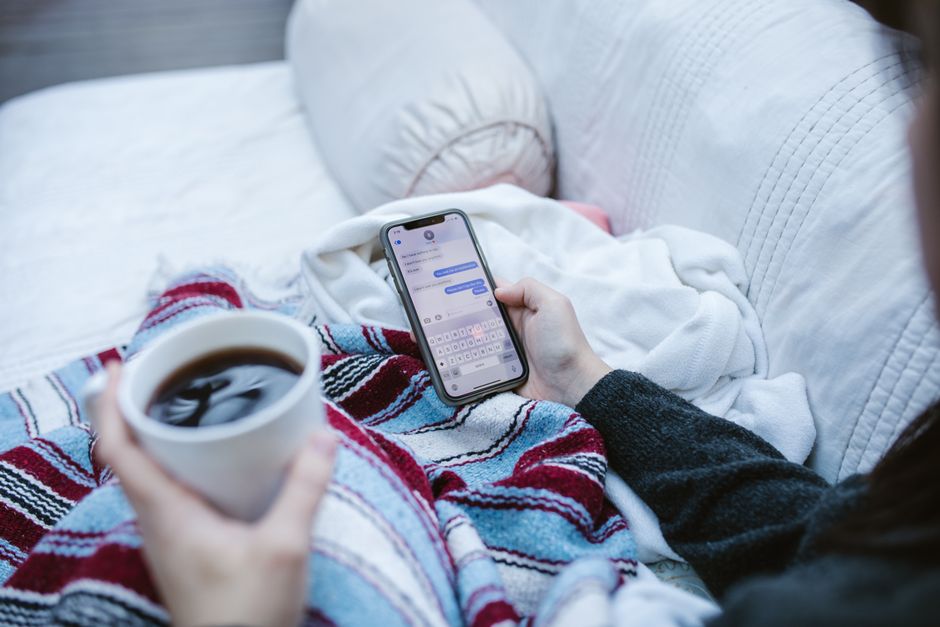
Avoid the trap of thinking that you can stay stressed all day and then "fix" it with one hour of yoga before bed. Recovery is a cumulative process. It is about how you pace your day, how often you step away from the screen, and how you manage your transition into the evening.
Final Thoughts: Moving Away from "Quick Fixes"
I know that in the age of fast content, wanting a one-stop-shop solution for burnout is tempting. But recovery is a slow, steady discipline. It’s boring, it’s repetitive, and it works. Avoid the "miracle cure" language you see in advertisements and focus on the basics: regulated breathing, physical boundaries between work and home, and seeking professional help through established channels like your local NHS provider or authorized healthcare platforms when you’re out of your depth.
Rest is a biological requirement; recovery is a personal choice. Stop waiting for your body to give up before you start prioritizing your nervous system. Start small tonight, and keep doing it tomorrow. That is the only real strategy for the long haul.