If you have spent any time navigating the landscape of medicinal cannabis in the United Kingdom, you have likely felt a distinct sense of whiplash. remote follow-up appointments healthcare On one hand, the headlines have periodically suggested that the "green wall" has fallen. On the other, many patients find themselves stuck in a cycle of expensive appointments, clinical hesitation, and confusing administrative hurdles.
Ask yourself this: as a wellness coach, i speak to people every day who are caught in this limbo. They see the legislative progress, but they don’t see it reflected in their personal health journey. Today, we are going to unpack the disconnect between regulation vs. access, why the NHS remains so hesitant, and how digital-first infrastructure has become the primary bridge for patients seeking care.
The 2018 Shift: A Landmark Change with a Long Tail
To understand where we are, we have to look back at November 1, 2018. This was the date that medicinal cannabis was legalized for prescription in the UK. For many, it felt like the dawn of a new era. Exactly.. In reality, it was a change in *status*, not a change in *availability*.
The legislation moved cannabis-based products for medicinal use (CBPMs) from Schedule 1 to Schedule 2. This meant that specialist doctors—not GPs—were finally legally permitted to prescribe these treatments. It was a massive win for proponents of patient choice, but it came with significant caveats:
- Specialist-Only Control: Only doctors on the Specialist Register of the General Medical Council (GMC) can issue a prescription. Strict Guidelines: The National Institute for Health and Care Excellence (NICE) provided very narrow clinical guidelines, focusing primarily on rare forms of epilepsy, chemotherapy-induced nausea, and spasticity related to multiple sclerosis. The "Evidence" Hurdle: Because clinical trials for cannabis are still ongoing globally, the NHS remains deeply cautious, requiring high levels of evidence that often don't align with the real-world usage patterns of patients.
In short, the 2018 change legalized the *possibility* of prescription, but it did not mandate the *accessibility* of it.
NHS Narrow Pathways: The Cautionary Stance
When we talk about the gap between policy and practice, we have to address NHS narrow pathways. The NHS operates on a model that prizes robust, long-term, randomized control trial (RCT) data. While this approach is designed to keep patients safe, it creates a "chilling effect" in the context of cannabis.
Most NHS trusts are incredibly risk-averse regarding non-traditional treatments. Even if a doctor believes a patient could benefit, they are often constrained by local policies that discourage off-label prescribing or the use of cannabis-based products unless all other options—including expensive surgeries or harsh pharmaceuticals—have been exhausted.
For the average patient, this means that even if the law says you *can* have it, the clinical reality is that you likely *won't* get it from your local GP or hospital. This structural inertia is what has forced the private sector to step into the void.
The Rise of Private Clinic Dominance
Because the NHS has opted for such limited access, private clinic dominance has become the defining feature of the UK medicinal cannabis market. If you want a prescription today, you are almost certainly going to go through a private provider.
While some critics argue that a "two-tier" health system is inherently unfair, there is a silver lining: private clinics have invested heavily in the infrastructure needed to make access easier, faster, and more professional than the legacy systems many patients are used to.
The Role of Digital Infrastructure
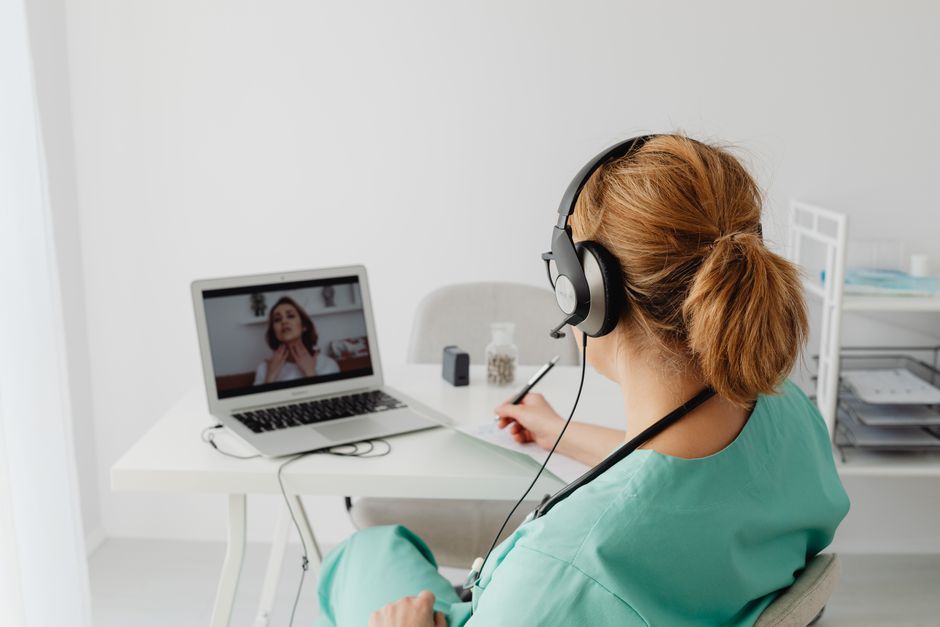
Private clinics have largely moved toward a "digital-first" model to overcome the geographical and administrative barriers that once made specialty care so difficult to reach. If you are a patient in a remote village, you no longer need to travel to a London clinic to be assessed. This is where technology has been the great equalizer.
Modern access is driven by two specific tools:
Online Eligibility Assessments: These act as a first-line triage. Instead of wasting time and money on a full consultation only to be told you don't qualify, patients can complete a structured assessment online to see if their condition aligns with current clinical guidelines. Secure Medical Record Uploads: One of the biggest bottlenecks in the early days was the retrieval of a Summary Care Record (SCR) from a GP. Today, secure digital portals allow patients to upload their medical records directly to a clinic, ensuring the specialist can review the patient's full history, previous medications, and contraindications before the appointment even begins.Regulation vs. Access: A Comparative Look
It is helpful to visualize why the friction exists. The regulatory framework is built for caution and safety, while the patient experience is built on the need for symptom relief and speed.

Why the Gap Remains (And What It Feels Like)
Even with digital tools, the gap remains wide. As a wellness coach, I hear from patients who feel "priced out" of their own health. Private care requires paying for consultations and, in many cases, the medication itself. This creates a situation where access to treatment is increasingly tied to socioeconomic status rather than clinical need.
Furthermore, the NHS narrow pathways mean that for many, there is no "shared care" agreement. This leaves patients feeling like they are straddling two worlds: their NHS GP for their general health, and a private, remote clinic for their cannabis prescription. Coordinating these two, especially regarding interactions with other medications, can be daunting for patients without a medical background.
Is the Future Brightening?
Is there hope that the gap will narrow? Yes, but it will be a slow process. We are beginning to see:
- Real-World Evidence (RWE) Collections: Private clinics are now gathering massive amounts of data on how patients respond to various cannabis strains and doses. As this data set grows, it becomes harder for the medical establishment to ignore. Standardization of Care: As digital portals become more sophisticated, the "Wild West" feel of the early private clinics is being replaced by professional, standardized clinical governance. Increased GP Awareness: More and more primary care doctors are becoming aware of the legitimacy of medicinal cannabis, even if they cannot prescribe it themselves. This makes conversations about private care less awkward and more collaborative.
Final Thoughts: Navigating the System
If you are frustrated by the gap between regulation vs. access, know that you are not alone. You are navigating a system that is still catching up to the modern era of personalized medicine. While the NHS narrow pathways continue to limit state-funded access, the rise of private clinic dominance—supported by seamless online eligibility assessments and secure medical record uploads—has turned an impossibility into a possibility.
The key for any patient today is to be an informed advocate for themselves. Do your research, understand your medical history, and ensure that when you approach a private clinic, you are doing so with a clear understanding of your own goals for wellness. The regulatory environment is rigid, but the digital tools at your disposal are designed to make your journey through it as smooth as possible.
Disclaimer: I am a health and wellness writer and coach. This content is for informational purposes only and does not constitute medical advice. Always consult with a qualified healthcare provider regarding any medical condition or before beginning any new treatment plan.