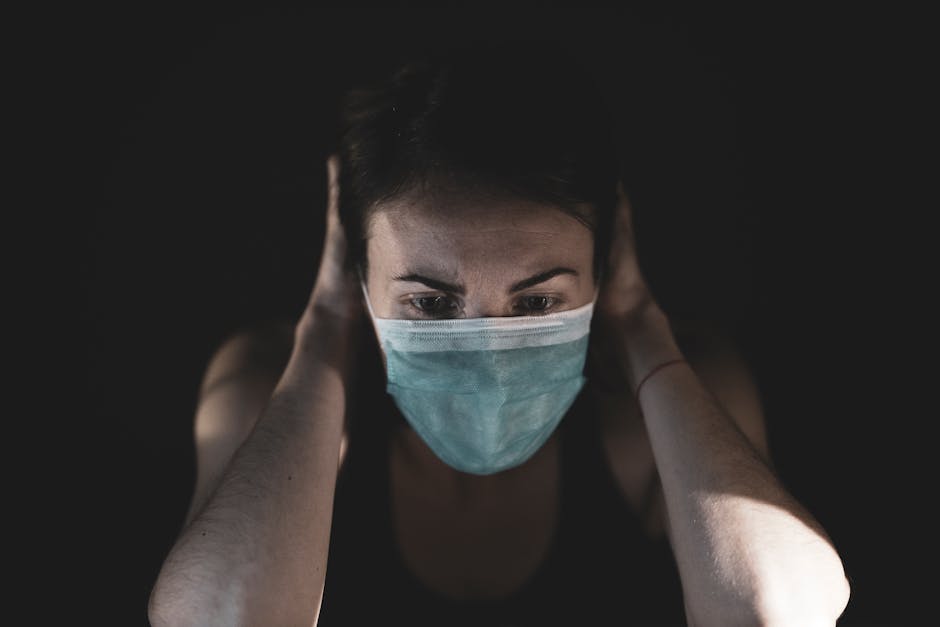
For the last nine years, my desk has been a revolving door of GP perspectives, neurobiology white papers, and, most importantly, the raw, unfiltered stories of people living with persistent pain. I also carry a small, weathered Moleskine notebook in my bag. It’s filled with the things people say to those of us living with chronic illness—the well-meaning, yet stinging phrases that ignore the reality of our bodies. I spend a lot of time rewriting these phrases, trying to translate the isolation we feel into something that can actually be communicated to our friends and family.
The most frequent theme in my notebook lately? The friction surrounding comfort over spontaneity. When you live with a body that dictates its own terms, spontaneity isn’t a fun, whimsical life choice; it’s a high-stakes gamble with your physical stability. Exactly.. Choosing comfort—the heating pad, the ergonomic chair, the scheduled rest, the predictable route—is often painted as a symptom of “giving up” or being “boring.” But in reality, it is a sophisticated act of health management.
The “You Look Fine” Disconnect: Why Perception Doesn’t Match Reality
When you break your arm, the world accommodates you. A cast is a social signal that demands empathy, patience, and a change in pace. But chronic pain and invisible illnesses exist in a gray zone where the lack of a visible injury leads to a persistent, grating dissonance. People look at you and see someone who appears functional, so they assume you are operating at full capacity.
When someone fibromyalgia sensitivity to stimuli says, “But you look fine,” what they are really expressing is their own comfort with the status quo. They want you to be “normal” so they don’t have to confront the uncomfortable reality that health is fragile and unpredictable. In my notebook, I’ve rephrased this. Instead of snapping back or withdrawing, try saying: “I’m glad I look healthy today, because it means my management strategies are working. Keeping that ‘fine’ look requires a tremendous amount of unseen effort.”
The Comparison of Invisible vs. Visible Injury
Consider the difference in how we interact with the world:
Scenario Visible Injury (e.g., Cast) Invisible Chronic Illness Social Expectation "Take it easy, don't overdo it." "Come on, just one more hour!" Response to Fatigue Validated as 'healing.' Labeled as 'lazy' or 'just stressed.' Energy Budgeting Expected and respected. Seen as an inconvenience or 'being difficult.'The Heavy Reality: Fatigue, Heaviness, and Sensory Overload
One of the most frustrating aspects of living with a chronic condition is the feeling of physical heaviness. It’s not just "tiredness." When I talk to my family or interview patients, they describe it as if their limbs are encased in lead, or as if they are walking through neck-deep water while trying to keep a smile on their face.
You know what's funny? when you choose comfort—opting for a quiet dinner instead of a late-night concert, or staying home to avoid a flare—you are managing this specific, visceral heaviness. It’s not that you don't *want* to be spontaneous; it’s that your battery capacity is significantly lower than the average person’s, and you are constantly calculating the “cost” of every movement.
When friends push for spontaneity, they often fail to account for the sensory component of the pain. Loud noises, bright lights, and the physical act of commuting can spike the nervous system. By prioritizing a chronic illness lifestyle that values comfort, you aren't avoiding life; you are curating it to ensure you don't crash before the week is out.
Mastering Pacing Choices: It’s Not About Limiting Life, It’s About Longevity
The concept of “pacing” is often misunderstood as living a life of restriction. I prefer to view it as pacing choices—a strategic allocation of finite resources. If I know that a trip to the grocery store will cost me four units of energy, and I only have six units for the day, I have to be extremely judicious about how I spend the remaining two. Spontaneity would mean spending those remaining two units on an impulse, only to find myself unable to stand up to cook dinner or get to work the next day.
This is where the frustration sets in. We feel the sting of isolation because we are constantly having to say “no.” We feel the uncertainty of not knowing if we’ll feel okay tomorrow, let alone next week. But naming these feelings—the isolation, the frustration, the fear of missing out—is the first step toward self-advocacy.
How to Explain Your Needs Without Apology
You don’t owe anyone a medical history, but you do owe yourself the dignity of being understood. Here are three ways to reframe the conversation around your needs:
The Battery Analogy: "I’d love to join, but I’ve already used my battery for the day. If I push past this limit, I’ll be out of commission for three days, and I want to make sure I’m feeling okay for our plans next week." The Quality Control Approach: "When I choose a low-key environment, it’s because it’s the only way I can actually be present with you. In a louder, more spontaneous setting, my focus is entirely on managing my pain, and I can't really hear what you're saying." The Direct Boundary: "I know it looks like I could just 'push through,' but I’ve learned that for my health, that leads to a setback. I’m choosing comfort right now so that I don't force a health crisis later."Avoiding the Trap of Toxic Positivity
I have spent enough time in the medical community to know that "just stay positive" is perhaps the most unhelpful thing you can say to someone in pain. Toxic positivity dismisses the very real, very hard labor of chronic illness. It suggests that if you just "mindset" your way out of it, the pain will vanish. That is a dangerous lie.
https://smoothdecorator.com/is-there-one-treatment-that-fixes-fibromyalgia-the-truth-from-someone-who-knows/You are allowed to feel the grief of your limitations. You are allowed to feel frustrated that your body requires so much maintenance. My advice? Don't look for the silver lining. Look for the reality. When you lean into the reality of your body’s needs—when you admit, "Today is a high-pain day and I need to stay in my ergonomic chair"—you are practicing a radical form of self-respect.
Moving Forward Together
The transition from a life of total spontaneity to one of intentional pacing is difficult. It’s an adjustment period for your friends and family, too, as they learn to see your boundaries not as a barrier, but as a map to how they can best spend time with you. Keep your boundaries firm, keep your notebook handy for those days when you need to reframe a comment, and remember: choosing comfort is not an admission of defeat. It is a triumphant act of staying in the game.
Share Your Experience
What are the phrases you hear most often that make you feel misunderstood? Do you have your own version of "the notebook"? Share your thoughts below. I read every comment, as these stories help shape how we discuss chronic illness in the public sphere.
Name:
Email:
Website (Optional):
Save my name, email, and website in this browser for the next time I comment.
Your Comment:
Post Comment