I’ve been writing about health and wellness for twelve years, and for the last six, I’ve focused exclusively on the unique recalibration that happens during midlife. If you’re waking up feeling a bit like a rusty garden gate, you aren't failing at aging. You’re simply experiencing the "midlife creak."
There is a lot of noise out there. You’ve likely seen the ads—expensive, high-tech systems promising to "unlock" your mobility or supplements that claim to fix joint stiffness overnight. Here is my first piece of advice: Stop looking for the miracle. Most of what you need to move better doesn’t require a credit card or a fancy gym membership. In fact, most of the "miracle" solutions are just clever marketing for things you can do for free at home.
Before we dive in, let’s apply the golden rule of midlife wellness: Can you do this on a bad Tuesday? If you’ve had a rough night’s sleep, a stressful day at work, and you’re feeling drained, does this advice still stand? If the answer is no, it’s not a sustainable habit. We’re building routines that stick, not programs that look good for one week before you inevitably burn out.
The Trap of "High-Ticket" Mobility
One of the most annoying trends in the wellness space is the push toward expensive "joint health" kits. You know the ones: specialized rollers, vibrating balls, and subscription-based app services that cost more than your grocery bill. Let’s be clear: You do not need to spend a fortune to improve your mobility.
When you see high prices attached to basic movement tools, remember that movement itself is free. You don't need a premium piece of equipment to help with joint stiffness. A tennis ball, a rolled-up towel, or even just the floor space in your living room will suffice. If you find yourself tempted by a pricey "wellness system," ask yourself: Does this actually provide value, or am I just buying the promise of a quick fix?
Instead of chasing expensive gadgets, focus on consistency. Resources like the NHS website (nhs.uk) provide evidence-based guidance on simple stretches and exercises that are often more effective than any paid program. When in doubt, look to the clinical gold standards rather than a paid influencer’s marketing pitch.
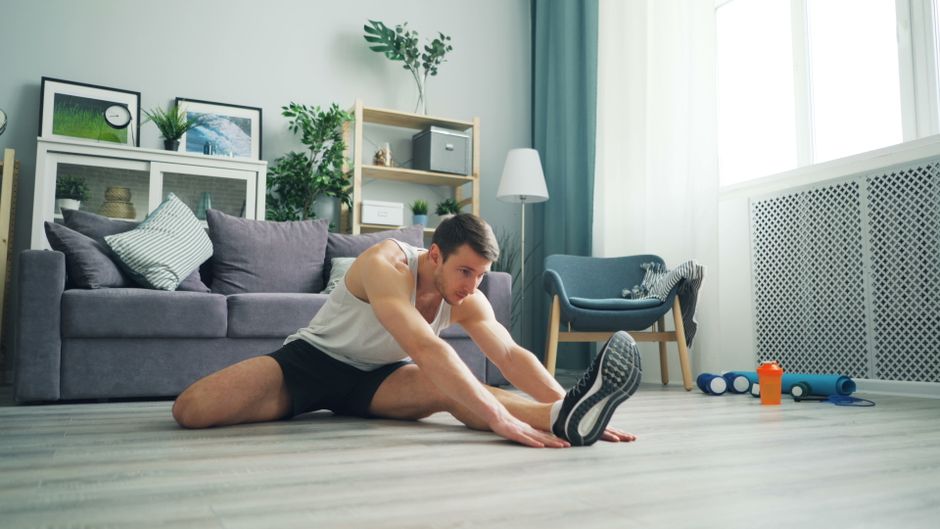
Building a Sustainable Mobility Routine
A mobility routine for joint stiffness shouldn't be an hour-long ordeal. If you schedule a 60-minute daily yoga flow, you will fail on a Tuesday when you're busy. Instead, aim for "habit stacking." Take five minutes while your coffee brews or five minutes before you get into bed.
Three Pillars of Gentle Movement
- Consistency over Intensity: Five minutes every day is infinitely better than one hour once a week. Low-Impact Engagement: Focus on movements that lubricate the joint capsule—think circles, slow pulses, and gentle reaches rather than jarring movements. Mindful Adaptation: If a movement hurts, don't "push through." If it’s uncomfortable in a "stretchy" way, keep breathing. If it’s sharp, stop immediately.
If you need inspiration for simple exercises, sites like Fifties Web often provide fantastic community-led perspectives on how others in our age bracket are staying active without the pressure of "fitness culture."
The Role of Nutrition and Sleep in Joint Health
We often talk about movement in isolation, but your joints are part of a larger ecosystem. If you are chronically dehydrated, sleep-deprived, and fueled by inflammation-heavy processed foods, no amount of stretching will fix your stiffness.
Sustainable nutrition isn't about dieting. It’s about hydration and anti-inflammatory staples. Incorporate more whole foods like berries, fatty fish, or even just increasing your water intake. It sounds boring, but "tiny changes that actually stick" usually are.
Then there is sleep. When we sleep poorly, our pain perception increases. Improving your sleep hygiene—keeping your room cool, creating a wind-down routine that doesn't involve screens, and ensuring your mattress isn't actively working against you—is a massive lever for joint health. If your joints are stiff, they need the deep restorative phase of sleep to recover from the day's activity.
For those days where stiffness feels particularly stubborn, you might look into topical aids. Brands like Releaf (releaf.co.uk) offer products that many find helpful for soothing localized discomfort. While these aren't a cure-all, they can be a great tool to help you reach a state where you *can* perform your gentle movement routine.

Sample Routine: "The Bad Tuesday" Protocol
This routine is designed for the days when you are tired, busy, and unmotivated. It requires zero equipment.
Movement Time Purpose Ankle Circles (Seated) 1 Minute Wakes up the lower chain and improves circulation. Seated Cat-Cow 2 Minutes Gentle spinal mobility without the need to get on the floor. Shoulder Shrugs & Rolls 1 Minute Releases tension stored from desk work or stress. Neck Tilts 1 Minute Relieves tension in the upper cervical spine.Community and Resources
We need to stop hiding our struggles with aging. Whether you’re posting on Facebook, X, LinkedIn, or Reddit, sharing the reality of your mobility journey—the bad days and the small wins—is how we change the culture. Stop looking for the "before-and-after" photos that promise impossible results; instead, look for the people who are just showing up, day after day, in their own imperfect way.
When you seek advice online, always verify with trusted sources. The NHS website should always be your first stop for medical inquiries regarding persistent pain or injury. If you’re looking for peer support, keep your expectations realistic—take advice with a grain of salt and ensure it aligns with your own body's signals.
Final Thoughts: The Power of "Just Enough"
As I’ve learned over the last 12 years of writing, the biggest enemy of progress is the "all or nothing" mindset. If you want to improve joint stiffness, don't go looking for fiftiesweb.com a revolutionary program. Look for the small, annoying, quiet habits that you can maintain even when life gets chaotic.
Keep your movement gentle. Keep your expectations grounded. And please, for the love of your wallet, ignore the overpriced gear. You are more than capable of taking care of your own joints with just a little bit of time and a whole lot of consistency. You don't need a miracle—you just need a Tuesday where you show up for yourself.
Tiny Changes That Actually Stick:
- Keep a water bottle by your bed to start your hydration early. Do your ankle circles while you brush your teeth. Use a towel to help with gentle stretches if your flexibility is currently limited. If you feel like skipping a day, just do 30 seconds of movement. It counts.