If you have spent any time researching medical clinics in the UK recently, you have likely encountered the word "streamlined" in nearly every marketing brochure. It is a buzzword that gets thrown around by everyone from digital pharmacies to specialized pain management clinics. But in the context of 2026, where digital health is no longer a luxury but a standard expectation, what does "streamlined" actually mean for you as a patient?
As someone who has spent the last eight years working in the trenches of UK healthtech—from NHS portal rollouts to telehealth startups—I’ve seen the difference between a "streamlined" marketing promise and a truly functional digital patient journey. True efficiency isn't just about speed; it is about reducing the cognitive load on the patient while upholding the clinical rigor required by the National Institute for Health and Care Excellence (NICE).
The Shift: From Paper Trails to Centralized Online Workflows
Historically, accessing specialist care in the UK was a fragmented, paper-heavy nightmare. You would visit your GP, wait for a referral letter to be printed and posted, manually request your Summary Care Record (SCR), and then hope that the clinic’s receptionist didn't lose the physical file on their desk.
In 2026, a "streamlined" journey is defined by a centralized online workflow. This means your information—from your initial eligibility screening to your pharmacy prescription—lives in one ecosystem. You aren't asked to email PDFs of your medical history to a generic inbox (a major security and efficiency red flag). Instead, you interact with a secure patient portal that acts as a single source of truth.
What to look for in a modern platform:
- Integrated identity verification: No more sending photos of your passport via unencrypted email. Live tracking: Knowing exactly where your consultation request, prescription, or clinical note is in the process. Automated updates: Notifications that reach you via SMS or portal alerts rather than relying on you to "check in" every 48 hours.
The Medical Cannabis Context: Beyond the "Wild West" Narrative
I hear a lot of noise about medical cannabis clinics being "disruptive." Let’s be clear: in the UK, medical cannabis is a highly private specialist consultation cost uk regulated sector. Any clinic claiming a "miracle" or "instant" access process is either glossing over the legal requirements or misrepresenting the safety standards they are legally obligated to follow.
When a clinic says their cannabis pathway is streamlined, they should be referring to the efficiency of clinical governance. They aren't bypassing the rules; they are using technology to ensure that every patient meets the strict NICE NG144 guidelines (specifically regarding chronic pain or treatment-resistant conditions) without the administrative bottleneck that usually accompanies specialist oversight.
A truly streamlined cannabis patient journey respects the following milestones:
Pre-screening: An automated, logic-based questionnaire that prevents ineligible patients from wasting time and money on a consultation that wouldn't result in a prescription. Medical Record Retrieval: A digital-first request system (e.g., via the NHS App or integrated GP record sharing) that automates the acquisition of your clinical summary. Pharmacist Coordination: The internal link between the clinician’s digital prescription and the electronic transmission to the dispensary.Identifying Friction Points: Where "Streamlined" Marketing Fails
If you want to know if a clinic is actually tech-forward or just using a flashy landing page, look for these specific friction points. If they exist, the journey isn't streamlined—it’s just a digital veneer over an old-school, sluggish process.
Feature The "Streamlined" Standard The "Old School" Trap Admin Burden Forms that remember your previous data and only ask for new information. Asking you to re-type your address and symptoms on every new form. Communication Secure, encrypted portal messaging. "Please call the office during business hours for an update." Record Handling Direct API integration or secure digital patient access. Requiring you to act as a courier for your own medical records. Next Steps Clear, automated timelines shown in the dashboard. Total silence after payment/consultation until a staff member happens to call.Why "Faster Onboarding" Isn't Always the Goal
There is a dangerous tendency in healthtech to equate "fast" with "good." In healthcare, "fast" can sometimes mean a lack of due diligence. When a clinic pushes for faster onboarding steps, they must https://highstylife.com/why-flexible-scheduling-is-now-the-baseline-for-modern-healthcare/ balance this with patient safety.
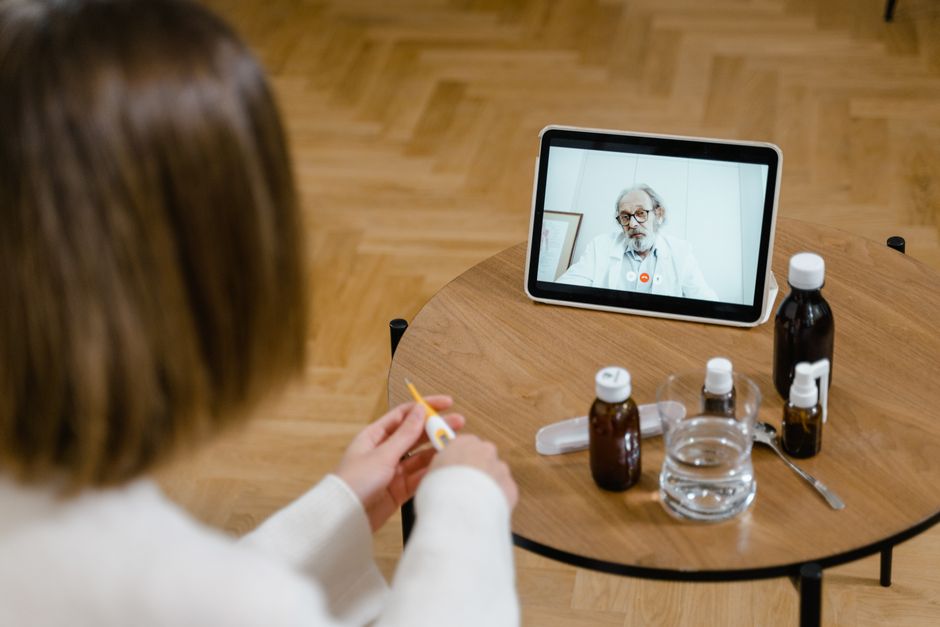
A high-quality streamlined journey is one that is frictionless for the patient, but rigorous for the clinician. For example, a "fast" onboarding that fails to verify your previous treatment history (as required by guidance for many specialist treatments) isn't innovative; it’s negligent.
Look for clinics that provide:

- Transparent Eligibility Criteria: They should tell you early on if you are unlikely to qualify, saving you from unnecessary fees. Clear Disclosure: An explanation of why certain data is being collected (e.g., GDPR compliance, clinical safety). Human-in-the-loop: Even in a fully automated system, there should always be a clear path to speak to a human clinician if your case is complex.
The Verdict: What You Should Demand
As we move further into 2026, "streamlined" should be the bare minimum, not the selling point. If you are engaging with a telehealth provider, demand the following:
Less admin friction means you should never have to tell a clinic something you have already provided in writing. If you’ve submitted a form, the next step should be a status update on that specific piece of data, not a request to submit it again.
Centralized workflows should mean that your pharmacy, your doctor, and your patient portal are all looking at the same version of your records. If the pharmacy is calling you because the doctor didn't send the right digital script, the system has failed.
Finally, remember that the best healthtech is invisible. You shouldn't be thinking about the technology; you should be thinking about your health outcomes. If you find yourself fighting with an app or waiting on hold to clarify a "next step," the clinic is not streamlined—they just have a better marketing team than their competitors.
When choosing a provider, look for those that are transparent about their clinical processes. If they can explain exactly how their digital workflow protects you while saving you time, they are likely worth your trust. If they only offer buzzwords, keep looking.