If you’ve ever browsed the wellness aisle or dived into the booming market of cannabis products, you've probably come across two letters: CBD and THC. These are two of the most talked-about cannabis compounds, but they offer very different experiences and effects — and understanding those differences can help you make safer, more informed choices.
CBD vs THC: The Basics
CBD (cannabidiol) and THC (tetrahydrocannabinol) are both cannabinoids found in the Cannabis sativa plant. They interact with your body's endocannabinoid system, but where they differ most fundamentally is in their psychoactive effects.
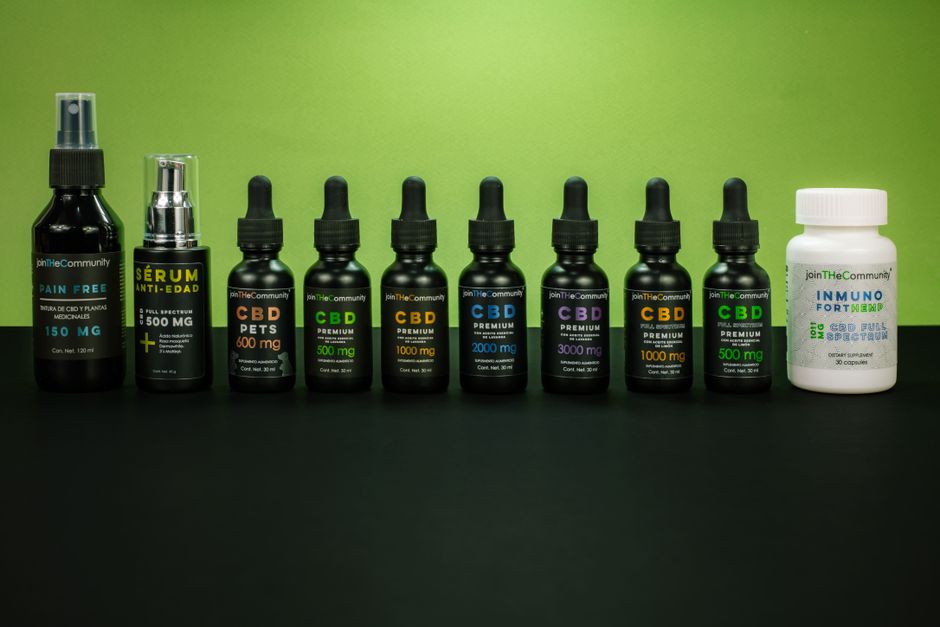
- CBD is not intoxicating. It does not produce the "high" associated with cannabis use. Many people seek out CBD for potential wellness benefits like relaxation, reduced anxiety, or pain support, without altering their mental state. THC is intoxicating. It binds to receptors in the brain that cause the psychoactive effects commonly known as being "high." These effects can vary widely depending on the dose, strain, and individual sensitivity.
Why Does THC Intoxicate While CBD Doesn’t?
The science boils down to how these compounds interact with cannabinoid receptors in the brain:
- THC CBD
So, if you’re looking to avoid feeling “high” but still want some of the potential benefits of cannabis, CBD is the compound to focus on.
FDA Approval and Medical Uses
It’s important to understand the legal and medical landscape when it comes to these cannabinoids. The Food and Drug Administration (FDA) has approved only one CBD-based drug: Epidiolex, prescribed for certain seizure disorders like Lennox-Gastaut syndrome and Dravet syndrome. This drug contains purified CBD and has undergone rigorous clinical trials.
However, over-the-counter (OTC) CBD products are a different story. These are sold as supplements and are not FDA-approved to treat any disease, which means the marketing claims should be scrutinized carefully. Products like those from Joy Organics are formulated to be THC-free or contain only trace amounts under legal limits, but they’re intended for wellness support rather than medical treatment.
The Legal Landscape: What the 2018 Farm Bill Means
The 2018 Farm Bill was a milestone piece of legislation that legalized hemp — defined as cannabis with less than 0.3% THC by dry weight — at the federal level. This distinction is critical:
- Hemp-derived CBD products with less than 0.3% THC are federally legal and widely available. Marijuana-derived products with higher THC content remain federally illegal but are legal under varying state laws.
This 0.3% THC threshold explains why many CBD products, including those offering “THC-free” options like Joy Organics, guarantee such low THC content. However, “THC-free” requires careful examination. Some products claim no THC but don’t always show lab testing to back that up.
Quality Variation Among CBD Products
The CBD marketplace is notoriously inconsistent, with products ranging drastically in quality. Some common issues include:
- Higher than labeled THC content — potentially causing intoxication unexpectedly. Contaminants like heavy metals, pesticides, or residual solvents. Incorrect or misleading potency labeling.
This is why batch-specific Certificate of Analysis (COA) documents are crucial. A COA is a detailed lab report showing exactly what's in a product, covering cannabinoid levels, purity, and contaminants.
How to Use COAs to Verify Product Quality
- Look for third-party lab testing, ideally from reputable, independent labs. Check the cannabinoid profile to ensure THC is under 0.3% (or undetectable if claimed THC-free). Review tests for heavy metals, pesticides, and microbial contamination. Confirm the COA matches the specific batch number stamped on your product — not just a generic lab test for the brand.
Joy Organics, for example, publishes batch-specific laboratory reporting and has garnered trust from consumers by showing transparency in product testing — a practice that should be the industry standard.
Summary Table: CBD vs THC at a Glance
Feature CBD (Cannabidiol) THC (Tetrahydrocannabinol) Intoxicating Effect No – CBD is not intoxicating Yes – THC causes a “high” Medical FDA Approval Yes (Epidiolex for seizure disorders) No (only marijuana-derived products under medical use laws) Legal Status (USA) Hemp-derived CBD ≤ 0.3% THC is federally legal Illegal federally; state laws vary Binding to Brain Receptors Modulates receptors; non-psychoactive Binds directly to CB1 receptors; psychoactive Common Formulations Oils, gummies, topicals, capsules, tinctures Smoked/vaped flower, edibles, concentrates Quality Control Importance Requires thorough COAs to ensure <0.3% THC & purity Lab testing critical for potency and contaminants <h2> Concluding ThoughtsUnderstanding the difference between CBD and THC helps you navigate the complex world of cannabis compounds wisely. If you want the benefits of hemp’s cannabinoids without intoxication, look for CBD products — but pay close attention to lab testing. Always seek out batch-specific Certificates of Analysis (COAs) to verify the potency and purity of what you’re buying.
Companies like Joy Organics set a strong example by providing transparent, batch-specific laboratory reports that let consumers confirm their products are indeed THC-free or contain less than the legal 0.3% threshold. This transparency is a critical safeguard in a market where "THC-free" claims are often vague or unsubstantiated.
Finally, https://smoothdecorator.com/what-does-hemp-derived-cbd-mean-in-plain-english/ remember that while CBD is widely used for wellness, its over-the-counter use is not FDA-approved for medical conditions except in the prescription drug Epidiolex. Don’t fall for miracle-cure language or confuse "natural" with "risk-free." As with any supplement or drug, consider your health history and talk to a healthcare provider about potential drug interactions or risks.
Great post to readBy staying informed and demanding quality, you can enjoy the potential benefits of cannabis compounds safely and effectively.