In the modern world of healthcare and wellness, it can be tricky to understand where discounts genuinely save you money and where they’re more marketing than value. Many consumers jump on gym membership discounts, eyewear price differences, or equipment and consumables own brand deals without thinking about the bigger picture. For those relying on the NHS, the question becomes: how can you best manage prescription costs, avoid penalties, and effectively use schemes like the NHS prepayment certificate (PPC)?
Let’s break down where discounts and careful budgeting truly matter in health spending—especially focusing on NHS prescription charges, PPCs, eligibility for free prescriptions, and accessible pharmacist-led care options like Pharmacy First. Along the way, I’ll share quick break-even math and advise on tools like monthly direct debit payment options and the importance of a 3-month bank statement audit.
Understanding NHS Prescription Charges Are Per Item
Before hunting for discounts or deals, it’s vital to grasp how NHS prescription charges work. In England, the NHS charges a licensed medicine vs supplement fixed fee for each item on your prescription—not per prescription form, but per medication item.
- As of 2024, each NHS prescription item costs £9.65. If you receive two prescribed medications at once, you pay 2 × £9.65 = £19.30. This per-item charging can quickly add up if you need multiple medications regularly.
This pricing structure makes a clear case for looking into savings schemes like the NHS Prepayment Certificate.
Prepayment Certificate (PPC) Explained
The NHS Prepayment Certificate allows you to pay upfront for your prescription costs, so you don’t pay for each item individually at the counter. Instead, you buy a PPC that covers all your prescription items over a set period.
Type of PPC Duration Covered Cost (2024 rates) Break-even Number of Items 3-month PPC 3 months £31.25 4 items (since 4 × £9.65 = £38.60) 12-month PPC 12 months £111.60 12 items (12 × £9.65 = £115.80)As the table shows, if you regularly get more than 4 prescription items within three months, or over 12 items per year, a PPC pays off.
Payment Options: Monthly Direct Debit for 12-month PPC
One handy feature often overlooked is paying for your 12-month PPC via a monthly direct debit. This spreads the £111.60 cost over 12 months—about £9.30 per month—easing upfront costs. It’s a good budgeting tool, especially for households with multiple prescriptions.
However, if you opt for monthly payments, make sure you track them carefully (here’s where bank statements come in handy). Confirm that your direct debits cover the entire year uninterrupted. Silent renewals and failed direct debit payments can lead to lapses and unexpected charges—something I always watch out for in my personal “silent renewals” list.
Eligibility for Free Prescriptions and Avoiding Penalties
Before paying for prescriptions at all, it pays to check if you’re eligible for free NHS prescriptions. Many miss out on this and end up overpaying without realizing.
- Who qualifies for free NHS prescriptions? People under 16, those aged 16-18 in full-time education, pregnant women (with valid maternity exemption certificates), individuals over 60, people with certain medical conditions, and those receiving specific benefits. If you think you qualify, get a medical exemption certificate or a valid HC2 certificate to avoid paying unnecessarily. Note: Failing to apply for these certificates when eligible can result in penalty charges if you’re later audited.
Keeping proof of your eligibility with your prescription receipts and regularly reviewing your status is a cost-saving habit. If uncertain, pharmacy staff often can help check your exemption status, so ask them directly rather than guessing.

Pharmacy First: The Value of Pharmacist-Led Care
One area where discounts or savings schemes are less relevant is in initial consultation or diagnosis. Some discounted wellness products or plans push skipping proper medical consultation—an approach I find concerning. Instead, the NHS has been piloting "Pharmacy First" schemes. These put pharmacists in a more clinical role, allowing you to get advice, diagnosis, and even treatment for minor conditions directly at your local pharmacy without a GP visit.
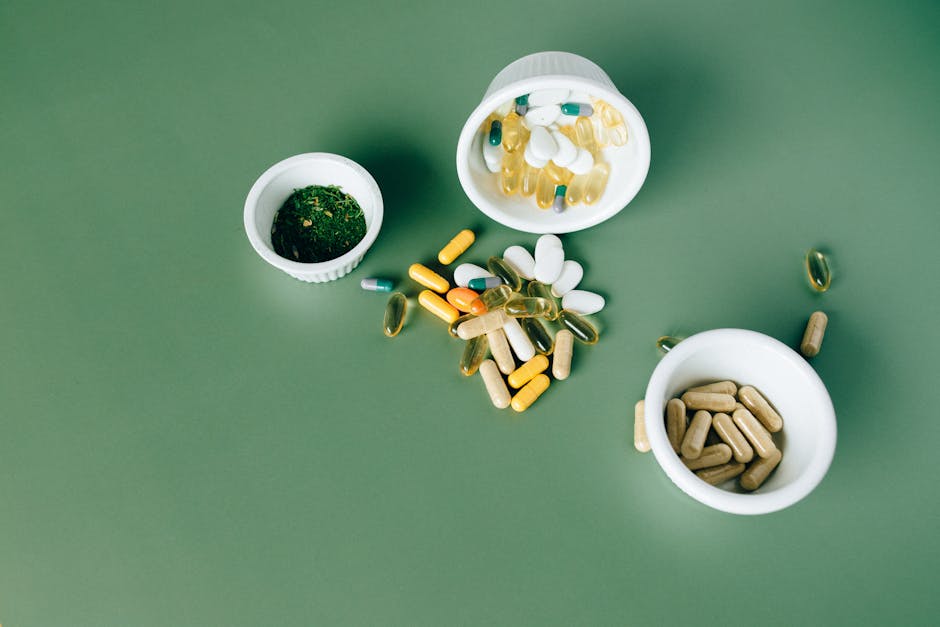
This can save both time and money, avoiding GP office fees or the cost of emergency care. Efficient pharmacist-led care also reduces the overall prescription burden as pharmacists can advise on effective medicines and even suggest non-prescription alternatives when appropriate.
How This Helps with Health Spending
- Reduces unnecessary prescriptions resulting from prolonged GP wait times. Provides immediate access to first-line treatments, reducing time off work and travel costs. Allows easier management and advice on equipment, consumables, and any own-brand alternatives.
Pharmacy First and pharmacist consultations tend to be free or very low cost, so look out for schemes in your area.
Eye on Discounts: Gym Membership, Eyewear, and Equipment
Outside the NHS prescription framework, many consumers try to save with discounts on health and wellness products like CBD supplement vs medical cannabis gym memberships, eyewear, and consumables.
Gym Membership Discounts
While discounted gym memberships sound appealing, think about the true cost over a year. Gym fees vary widely, and some “discounts” require you to sign long contracts or skip professional assessments, which might reduce your benefit or increase injury risk.
Example: A £10 discount on a £350 annual membership saves about 3%. But if that discount requires a silent renewal or a skipped consultation, you may lose more elsewhere—such as paying for physiotherapy later. Always check cancellation policies and quality of service.
Eyewear Price Differences
Eyewear can be genuinely cut-price when you choose own-brand frames or shop around. However, beware of hidden costs, such as repurchase needs or warranties tied to premium brands. Sometimes, paying a little more initially protects you better financially over years.
A quick audit of your last 3 months of bank statements can reveal unexpected eyewear purchases or recurring charges. It’s always wise to compare the real expenses over a longer period before settling on a “discount.”
Equipment and Consumables Own Brand vs Branded
For consumables (like glucose test strips, bandages, or hearing aid batteries), own-brand products offered by pharmacies or NHS suppliers often match quality but cost less than branded alternatives.
Opting for these can cut your annual health spending without compromising safety. Just ensure you’re purchasing certified products and not wellness goods masquerading as medical equipment—which is a pet peeve of mine due to lack of regulation.
Summary: Where Do Discounts Actually Matter for Health Spending?
In short, real savings come from understanding how NHS prescriptions charge per item, using schemes like the Prepayment Certificate (especially when you buy via monthly direct debit), and confirming your eligibility for free prescriptions. Pharmacist-led care through Pharmacy First provides valuable free or low-cost advice, reducing unnecessary costs and improving health outcomes.
Conversely, discounts on wellness products like gym memberships or eyewear only make sense if you consider the total cost of ownership and service quality over time. Always check your recent spending through bank statements or similar audits to catch silent renewals or hidden fees.
By combining NHS cost-saving tools with thoughtful decisions on purchased wellness services, you’ll ensure your health spending works harder for you—without paying more than you should.
Useful Resources
- Help with NHS Prescription Costs - NHSBSA NHS Prepayment Certificates Information Pharmacy First Schemes