Want to know something interesting? having spent over a decade on the front lines of nhs-facing healthtech implementations, i’ve seen my fair share of "digital revolutions." i’ve spent years navigating the tangled web of clinical governance, trying to drag legacy paper-based workflows into the modern age. When I hear people say that digital clinics only took off because of 2020, I have to stop them there. 2020 wasn't the origin—it was the pressure test that exposed how fragile our old systems were.
The rapid expansion of digital clinics we see today isn't just about "moving online." It’s a fundamental structural shift in how healthcare is delivered, documented, and experienced. As someone who has audited countless onboarding workflows, I’ve seen the good, the bad, and the downright dangerous. Let’s pull back the curtain on why telehealth growth is accelerating and what it actually means for patients and providers.
The Shift from Paper to Connected Platforms
For years, the healthcare sector operated in silos. A patient would fill out a paper form in a waiting room, a receptionist would manually enter it into a local server, and that information usually stay trapped there. This was the "Legacy Trap."
Modern digital clinics have replaced these bottlenecks with connected ecosystems. When a patient utilizes online appointment booking, they aren't just securing a time slot; they are initiating a digital thread that follows them through the entire care journey. This remote care adoption is driven by the backend shift toward interoperability. When I help clinics modernize their workflows, the goal is always the same: capture data once, verify it at the point of entry, and make it accessible to the clinician immediately. This eliminates the "dead time" of administrative entry that plagues traditional clinical setups.
The "Netflix Effect": Why Patient Expectations Have Changed
We are living in an era defined by the "Amazonization" of services. Patients manage their banking, grocery shopping, and entertainment through high-functioning, responsive mobile apps. They expect to track a prescription like they track a delivery, and they expect their clinical consultations to be as seamless as a video call with a colleague.
This patient expectations shift has put immense pressure on traditional healthcare providers who are still relying on phone-based scheduling and manual follow-ups. If a clinic requires a patient to call during a specific three-hour window to book an appointment, they’ve already lost the modern consumer. Digital clinics have capitalized on this by meeting patients where they are—on their phones, during their commute, or after their children have gone to bed.
The Key Drivers of Modernized Patient Care
- Asynchronous Intake: Collecting patient history before the consult begins, so the time spent with the clinician is strictly diagnostic. Unified Notifications: Automated reminders that reduce "Did Not Attend" (DNA) rates without human intervention. Integrated Payments: Removing the awkward "walk to the front desk to pay" friction point.
Reducing Friction: The Role of Virtual Consultations
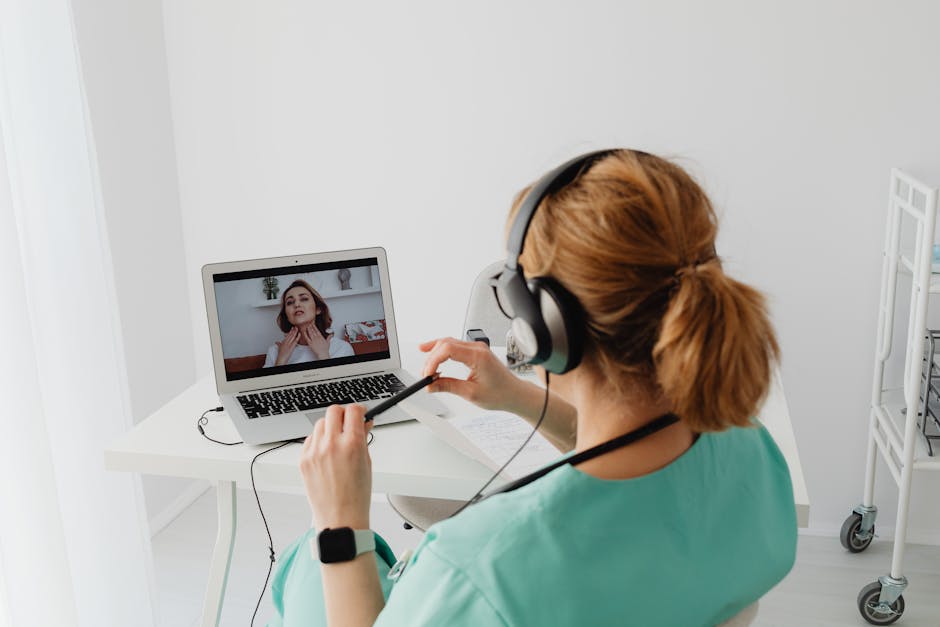
One of the biggest hurdles in healthcare is the "friction of access." Traveling to a clinic, finding parking, sitting in a waiting room, and coordinating time off work are massive barriers to consistent care. Virtual consultations remove these geographic and logistical hurdles.
However, from an implementation standpoint, I am always wary of platforms that claim to be "frictionless" but end up being disorganized. A true digital clinic shouldn't just be a Zoom link. It should be a guided workflow where the clinician has all the necessary charts, previous blood test results, and pharmacy details loaded before they even hit "Join." When done correctly, the digital experience is actually more efficient than the in-person experience, because the clinician is focused entirely on the patient, not on navigating a clunky, outdated database.
The Transparency Crisis: Why Hiding Prices is a Red Flag
Here is where I get critical. As someone who evaluates these platforms for a living, I find the industry’s lack of price transparency absolutely infuriating. You will often see websites packed with polished marketing copy about "fast approvals" and "expert care," yet you have to create an account and jump through three hoops before you find out what a 20-minute consultation actually costs.
This is a fundamental failure of modern healthcare retail. When a clinic hides its pricing, it isn't "competitive"—it’s hiding the lack of a standardized service model. If a provider cannot explain the cost of a prescription, the cost of the consult, and any potential follow-up fees in one clear screen, stay away.

Transparency is a proxy for safety. If they aren't transparent about their money, how can you trust they are being transparent about their regulatory oversight or clinician credentialing?
The "Before You Book" Checklist
Before you engage with any digital clinic, I recommend running through these questions. If the website doesn't make these easy to answer, move on to the next provider.
Category The Question to Ask Why it Matters Cost Are all consultation and prescription fees itemized upfront? Avoids "surprise billing" and shows service maturity. Oversight Are the clinicians GMC/NMC registered and clearly identified? Ensures you are receiving care from qualified professionals. Governance Is there a clear clinical escalation policy if things go wrong? Essential for patient safety in remote settings. Usability Can I finish the intake in one go without jargon? Complex forms lead to errors and poor diagnostic outcomes.Comparison Shopping: The New Reality of Healthcare
The rise of digital clinics has turned healthcare into a comparative service. Patients are now doing what they do with any other high-value purchase: reading reviews, comparing platform features, and checking for regulatory badges. This is a net positive. It forces providers to improve their UX and be more honest about their value proposition.
However, I caution patients against falling for "AI-hype." Many clinics now market "AI-driven triage" as a selling point. In my experience, most of this is just a glorified chatbot that doesn't significantly change the clinical outcome. Do not prioritize a platform because it uses a flashy buzzword; prioritize it because it has clear clinical governance, open pricing, and a simple, jargon-free interface.
Looking Ahead: The Sustainability of Remote Care
The expansion we have seen since 2020 is only the first phase. The next phase will be about integration. We are moving toward a world where your digital clinic profile will eventually "talk" to your primary care record. The providers who win will not be the ones with the largest marketing budget; they will be the ones who solve the virtual consultations administrative friction that has frustrated both patients and clinicians for decades.
If you are looking for a digital clinic, look for the boring stuff:
Clear, upfront pricing tables. Profiles of actual doctors (not just stock photos). A clear explanation of how your prescription is delivered and who is responsible for the follow-up care.Healthcare is, and always will be, a human interaction. Let me tell you about a situation I encountered was shocked by the final bill.. Technology is merely the pipe through which that interaction flows. Make sure you choose a provider that values the quality of the water more than the polish on the pipe.
As a former implementation lead, I maintain a watchful eye on how digital clinics evolve. If you have questions about a specific platform’s workflow or want a second opinion on a "frictionless" claim, check my resource list for common red flags before you hand over your clinical data.