Let’s be honest: we’ve all been there. It’s 7:15 AM, the school bag is missing, there’s a rogue piece of Lego under your heel, and your social media feed is telling you that to achieve "peak wellness," you simply need to wake up at 5:00 AM for a cold plunge, followed by a meditation session, a nutrient-dense raw breakfast, and a 45-minute gym workout. Meanwhile, you’re just trying to ensure everyone has matching socks and the kids have actually eaten a piece of fruit that wasn’t a squashed pouch.
As a parenting and wellbeing writer who has spent the last nine years deep in the trenches of family health, I’ve developed a pretty thick skin when it comes to the "wellness industrial complex." I keep a notes app on my phone titled "What Actually Helped This Week," and I can tell you right now: it rarely includes a juice cleanse. The frustration so many of us feel isn’t because we don’t *want* to be healthy; it’s because most wellness trends are designed for people with infinite time, no dependents, and a silent living room. In short: they aren’t designed for parents.
The Wellness Trends Critique: Why the "Miracle" Doesn't Work
When I look at the current landscape of wellness, I see a lot of "miracle-cure" language. If I see one more headline promising that a single habit will "transform my life" while I’m drowning in school-run logistics, I might scream. This overpromising is not just annoying; it’s harmful. It creates a cycle of shame where parents feel like they are failing because they can't adhere to a rigid, influencer-led routine.
Real-world family wellness isn’t about optimizing your biology; it’s about surviving the Tuesday afternoon slump without losing your mind. The "wellness trends critique" here is simple: stop treating parents like individual bio-hackers and start treating us like the hub of a complex, chaotic, and beautiful ecosystem. When we talk about "family routine reality," we have to acknowledge the time constraints. If a wellness trend requires more than 15 minutes of dedicated, uninterrupted time, it’s probably not going to survive the reality of a parenting schedule.
Beyond Fitness: The Shift to Holistic Longevity
For a long time, wellness was synonymous with the gym. It was about aesthetics, calories, and "leaning out." But the conversation is thankfully shifting. We’re moving toward a holistic model that prioritizes mental bandwidth, stress management, and, frankly, just getting through the week in one piece. This is where personalized health comes in.
One-size-fits-all routines are a myth. Your needs as a sleep-deprived parent of a toddler are fundamentally different from someone whose biggest stressor is a long commute. True wellness for families is about:
- Nutrition as Fuel, Not Aesthetic: Are we eating enough? Are we getting some greens? Does it keep the energy crash at bay? Movement as Joy: Can you chase the kids around the park? Can you stretch for five minutes while the kettle boils? That counts. Mental Health as Essential: Recognizing that talking to someone—whether that’s a therapist or a trusted friend—isn't a "luxury," it’s maintenance.
The Role of Tech: Telehealth as a Parent’s Secret Weapon
If there is one thing I’ve learned from my time researching health trends, it’s that technology, when used correctly, is the ultimate equalizer for parents. For a long time, accessing professional health support meant taking an entire morning off work, finding childcare, and battling traffic. Now, we have digital consultations and telehealth.
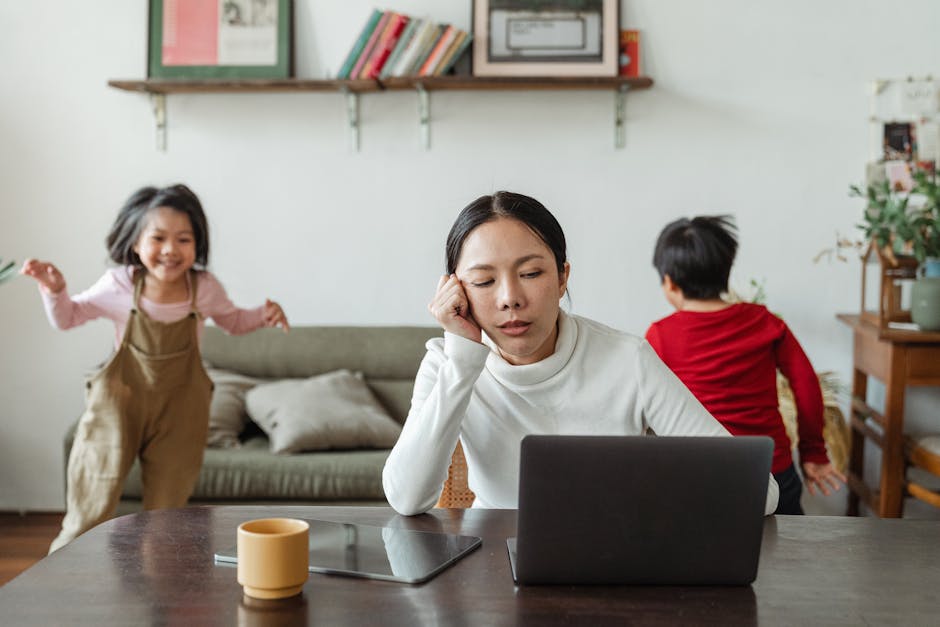
In school-run-friendly terms: Telehealth is basically just getting the medical help you need without having to find a parking spot or drag a bored child into a sterile waiting room.
Whether you're dealing with a sudden bout of unexplained exhaustion or seeking advice on stress management, digital consultations allow you to squeeze professional guidance into the gaps of your day. It’s the definition of personalized health. Instead of reading a generic blog post about how to "heal your stress," you are getting advice tailored to *your* actual symptoms and *your* actual life.
The Comparison: Wellness Myth vs. Family Reality
The "Wellness Trend" Myth The "Family Routine" Reality "Do a 60-minute silent meditation every morning." "Try 3 minutes of mindful breathing while sitting in the car before picking up the kids." "Eliminate all processed food and prep for 5 hours." "Focus on 'add-ins'—adding a bag of spinach or a tin of beans to what you’re already cooking." "Hire a personal trainer for 5 AM sessions." "Incorporate functional movement—park further away from school or have a 10-minute living room dance party." "Go to the doctor for every little concern, regardless of the hassle." "Utilize telehealth for initial triaging and consultations to save your mental bandwidth."Parent Burnout and the "Digital Overstimulation" Trap
Let’s talk about the elephant in the room: digital overstimulation. We are bombarded with notifications, emails, work chats, and the aforementioned "wellness advice" from dawn until dusk. When you’re already operating at 110% capacity, adding more digital tasks—like tracking your sleep on a wearable device or logging your macros in an app—can actually increase stress rather than reduce it.
If an app makes you feel guilty for not meeting a goal, delete it. My "What Actually Helped" list is heavily skewed toward low-tech solutions. It includes things like "drinking a glass of water before my morning coffee" (an easy win) and "putting my phone in a drawer at 8 PM" (a boundary that actually saves my sanity). The key is to use digital tools as *servants*, not masters.
How to Create a Sustainable Personal Health Routine
If you want to feel better, stop trying to implement "trends." Instead, start Informative post by auditing your current routine. Where are the leaks? Where are you losing the most energy?
Start small, and I mean embarrassingly small. If you want to integrate more movement, don't sign up for a marathon. Aim for a walk around the block twice a week. If you’re struggling with stress, don't look for a retreat; look for a digital consultation with a mental health professional who can help you identify burnout triggers in your actual day-to-day.
Here is my framework for "Family-First" Wellness:
Identify the Friction: Write down the three things that make you feel the most stressed in a week. (e.g., morning chaos, dinner prep, lack of sleep). Solve the Smallest Problem First: Don't try to fix the sleep cycle yet. Just fix the dinner prep with something easy, like a weekly meal plan or a recurring delivery. Use Professional Outsourcing: Use Telehealth to speak to a GP or nutritionist about your baseline health, rather than guessing what you need based on a TikTok video. Build a "Recovery" Ritual: This doesn't have to be a spa day. It can be five minutes of listening to a podcast in the parked car, or reading two pages of a book before bed.The Bottom Line
Wellness shouldn't feel like another telehealth UK job. It shouldn't feel like a test that you're failing every single day. If a wellness trend makes you feel like your life—in all its messy, loud, chaotic glory—is somehow "wrong" or "inadequate," then that trend is the problem, not you.

My advice? Ignore the miracle cures. Ignore the 5 AM cold plunges. Focus on the tools that actually fit into your life—the digital consultations that save you time, the simple nutrition swaps that take seconds, and the permission to prioritize your own recovery in the small, stolen moments of the day. You’re doing the heavy lifting of raising human beings; that in itself is the ultimate act of wellbeing. Be kind to yourself, and maybe, just maybe, start your own "What Actually Helped" list. You might be surprised at how much wellness you’re already achieving without even trying to be a "wellness person."